By: Kenneth Appiah Bani
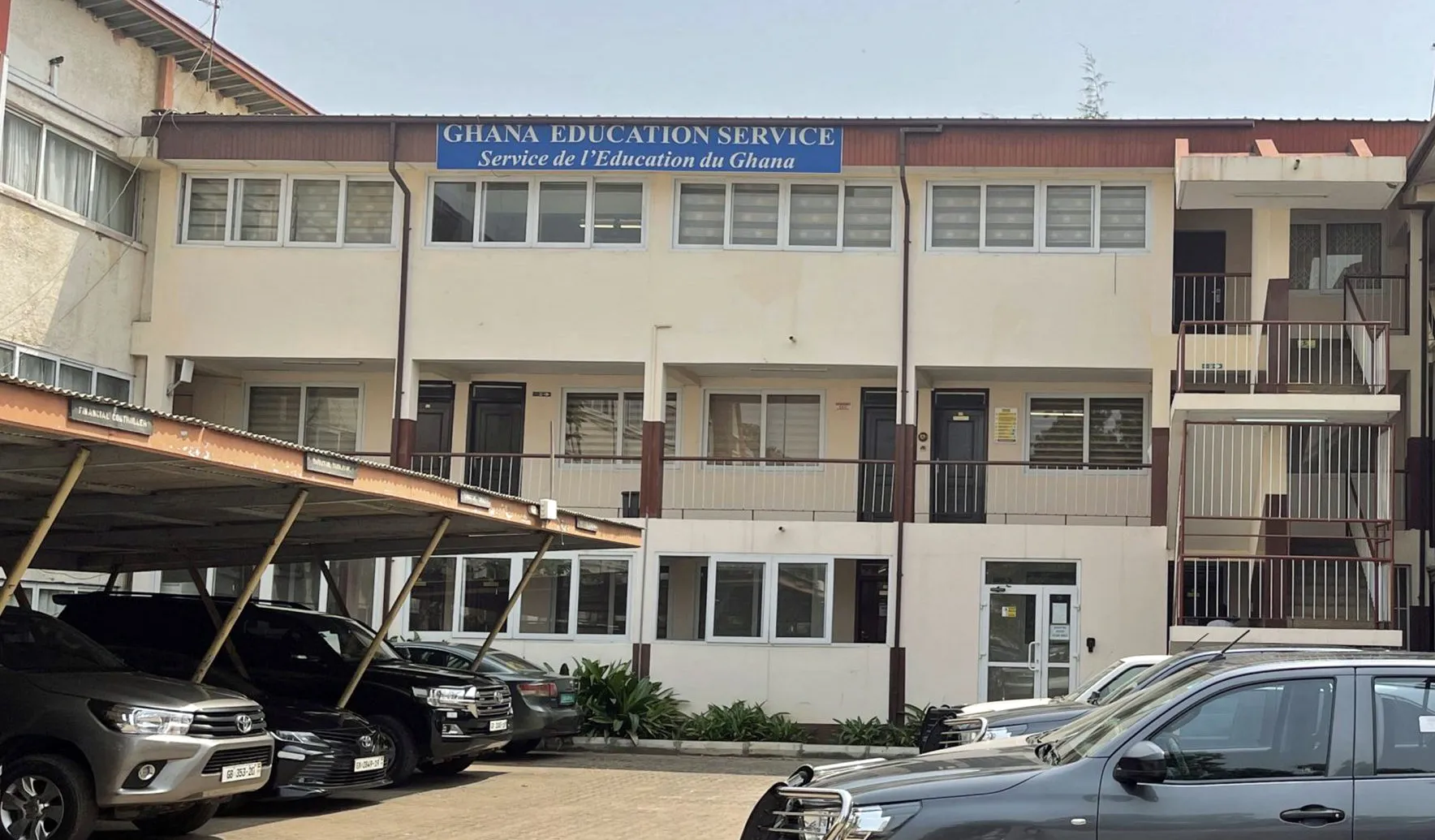
The release of the 2025 West African Senior School Certificate Examination (WASSCE) results has generated intense national debate, as the Ghana Education Service (GES) continues to defend the integrity of the outcomes amid widespread public concern and political controversy. According to the GES, this year’s results present an honest and credible reflection of students’ performance under a more rigorous examination environment designed to reduce malpractice.
Statistics from the West African Examinations Council (WAEC) reveal a sharp decline in key subjects compared to 2024. English Language remained relatively stable at 69 percent, but Mathematics dropped significantly to 48.73 percent, while Social Studies fell to 55.82 percent from 71.53 percent. Integrated Science also experienced a modest decline. Among these, the Social Studies results have sparked the most public anxiety. Many Ghanaians are openly questioning the unexpected drop, with social media dominated by reactions such as, “How can you fail Social Studies?” The widespread disbelief highlights the subject’s reputation as one of the more accessible core areas and underscores deeper concerns about the educational environment.
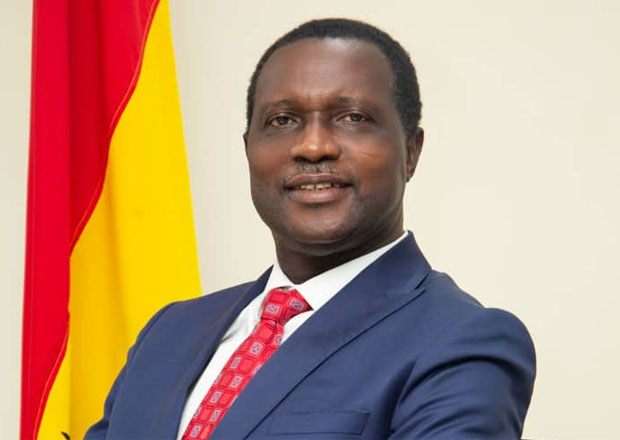
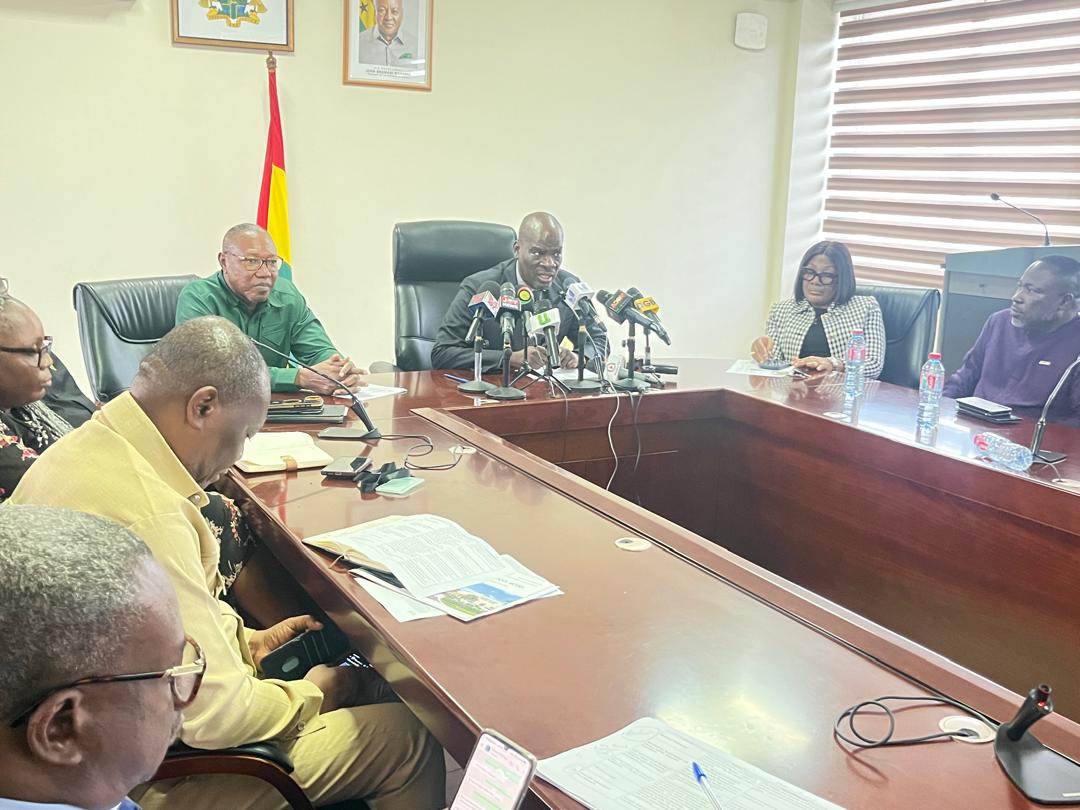
The controversy surrounding the results intensified when former Education Minister, Dr. Yaw Osei Adutwum, blamed the GES for what he described as “unsupportive management practices” that he claims contributed to the poor performance. The GES, however, strongly rejected his accusations. In a press statement signed by its Public Relations Head, Daniel Fenyi, the Service described Dr. Adutwum’s comments as misleading and an attempt to deflect attention from challenges that existed under his administration. The statement also dismissed rumours reportedly linked to the former Minister that teacher allowances had been cancelled, clarifying that payment delays for November were caused by administrative processing issues at the Controller and Accountant-General’s Department.
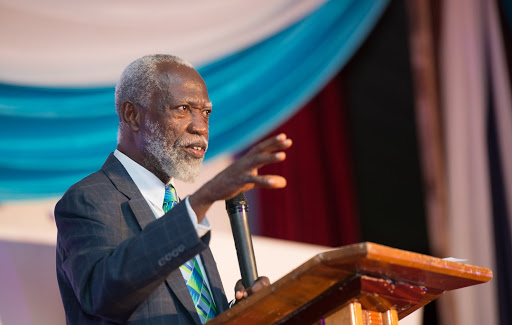
Beyond political exchanges, respected education reform advocate Professor Stephen Adei has weighed in on the debate, offering a broader perspective on the results. According to him, the 2025 outcomes should be understood within the context of strengthened invigilation and enhanced supervision during the examinations. He emphasized that stricter invigilation prevented the kind of cheating that could have artificially inflated scores, arguing that the lower pass rates reflect reality rather than a decline in national intelligence or teaching effort. His remarks reinforce the GES’s position that the results demonstrate a return to credibility after years of growing concerns about examination malpractice.
The WAEC irregularities report provides further evidence of this crackdown. A total of 6,295 candidates had their subject results cancelled for possessing unauthorized materials, while 653 candidates lost their entire results for carrying mobile phones into examination halls. Additionally, WAEC withheld the results of 185 schools for suspected collusion. Perhaps most alarming is the involvement of educators, 35 individuals, including 19 teachers, were implicated in acts that compromised the integrity of the exams, with several already convicted by the courts. For the GES, these developments confirm that the system is undergoing a necessary clean-up even if the immediate consequence is a drop in pass rates.
Looking forward, Ghana is set to rejoin the International WASSCE in May/June 2026 after years of sitting the Ghana-only version. This shift marks a major transition in the country’s academic calendar and will require heightened preparation and renewed commitment from students and teachers alike. The GES has urged learners to adapt to the more demanding structure of the international exam as part of Ghana’s broader push toward higher educational standards.
In conclusion, the 2025 WASSCE results have fueled conversations about credibility, integrity, accountability, and performance in Ghana’s education system. While the GES insists that the outcomes reflect a more transparent assessment process, public concern particularly over the surprising Social Studies results remains strong. The added perspective from Prof. Adei supports the argument that stricter supervision, rather than declining ability, explains the lower scores. Ultimately, the coming years will determine whether this renewed commitment to integrity will translate into lasting improvements in teaching, learning, and overall academic performance as Ghana realigns with international examination standards.