By: Kenneth Appiah Bani
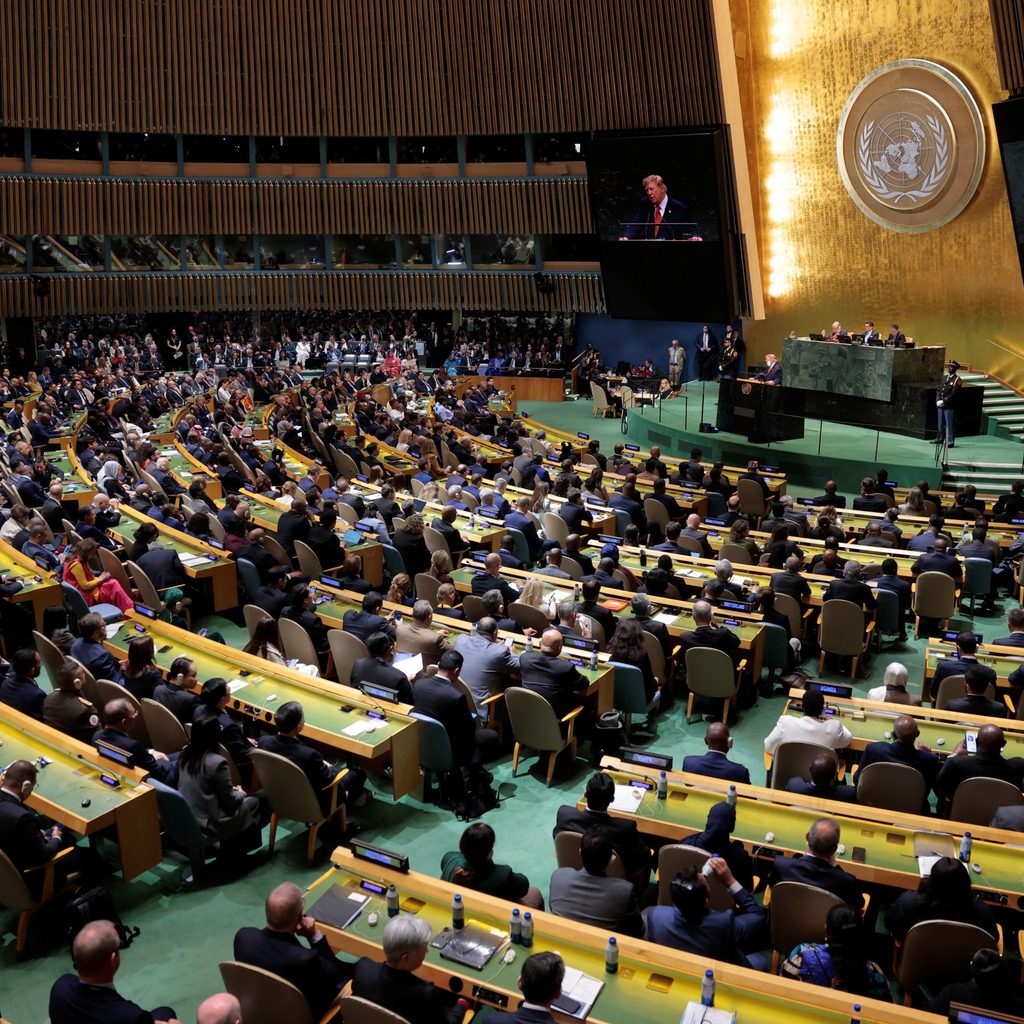
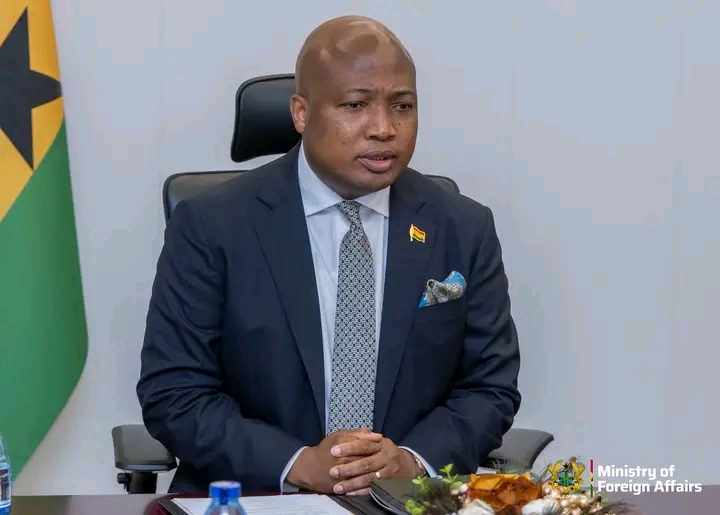
Ghana’s Minister for Foreign Affairs, Samuel Okudzeto Ablakwa, has announced that European countries that initially abstained from a United Nations (UN) vote on reparatory justice have now expressed their willingness to work with Ghana to advance the agenda.
Mr Ablakwa said the countries had pledged their support for further engagement on reparatory justice following the vote in New York, describing the development as an encouraging step towards building broader international cooperation on the issue.
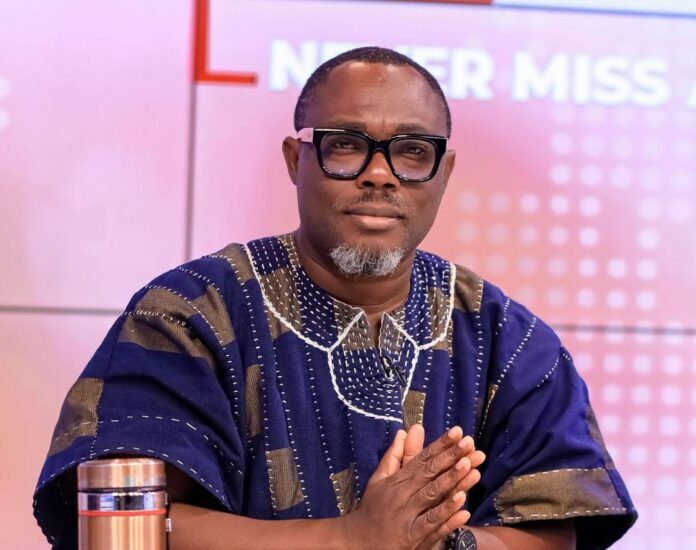
Speaking on TheKeyPoints on TV3 Ghana, the Foreign Affairs Minister explained that the European states had indicated their readiness to collaborate with Ghana, despite abstaining from the initial vote on the resolution.
The development could strengthen Ghana’s efforts to build international consensus on reparatory justice, which seeks to address the historical injustices and lasting consequences of slavery and the transatlantic slave trade.
Reparatory justice has remained a significant issue for African countries and people of African descent, with calls for historical recognition, accountability and appropriate measures to address the long-term effects of slavery, racial discrimination and economic inequalities.
Ghana has been at the forefront of efforts to promote international dialogue on the subject, advocating greater recognition of the suffering endured by Africans during the transatlantic slave trade and its continuing effects on affected communities.
The country’s broader reparatory justice agenda also includes discussions on the restitution of looted African artefacts, the preservation of cultural heritage and the need for international cooperation in addressing historical injustices.
Mr Ablakwa’s remarks indicate that Ghana intends to continue engaging countries that did not initially support the UN resolution, with the aim of securing wider participation in discussions and initiatives aimed at achieving reparatory justice.
The minister’s announcement comes as Ghana continues to push for global recognition of the historical experiences of Africans and people of African descent, while seeking to translate international discussions into meaningful action.
Although the European countries’ reported commitment to further engagement represents a potentially significant diplomatic development, the practical measures they will support and the extent of their involvement remain to be seen.
Ghana’s next steps are expected to focus on sustaining diplomatic engagement, strengthening international partnerships and advancing discussions on how reparatory justice can be pursued in a manner that addresses the needs and concerns of affected communities.
Source: TheKeyPoints, TV3 Ghana.