By: Kenneth Appiah Bani
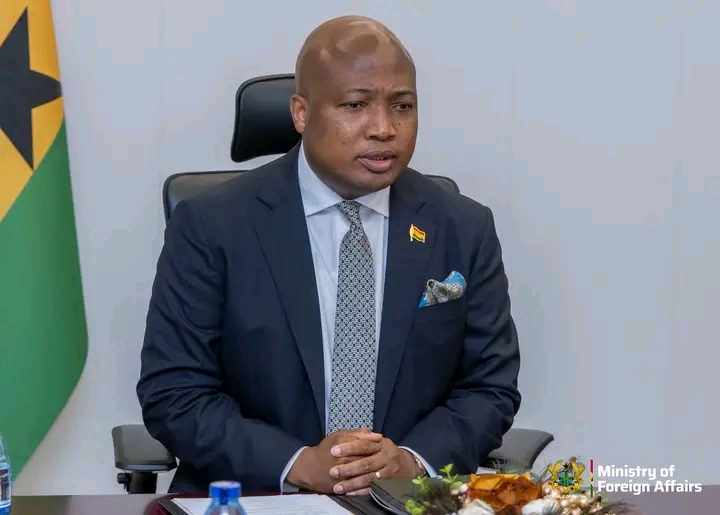
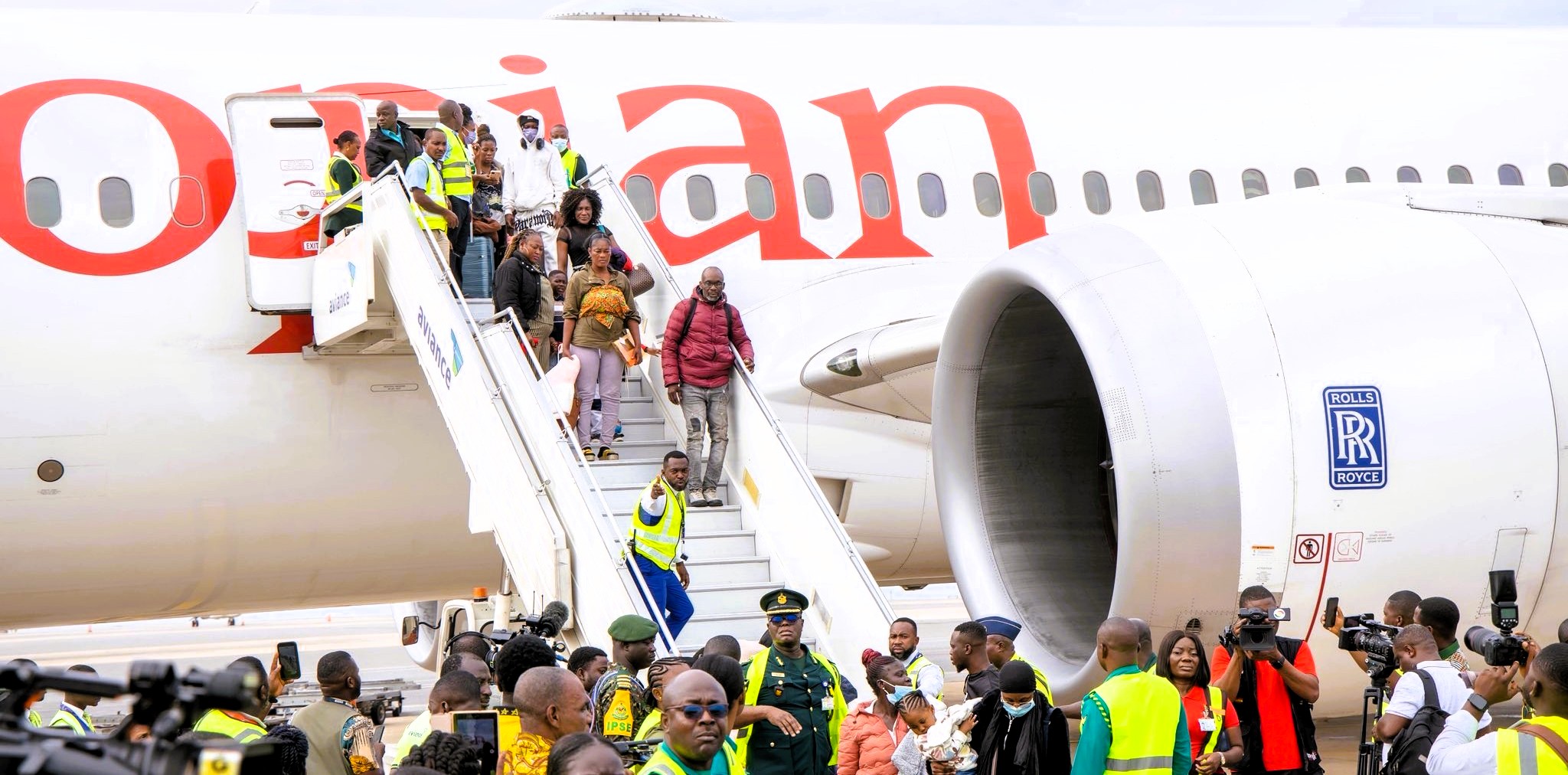
Ghana’s Minister for Foreign Affairs, Samuel Okudzeto Ablakwa, has defended the government’s response to xenophobic attacks in South Africa, insisting that the evacuation of more than 1,000 Ghanaians who felt unsafe in the country deserves commendation.
The minister said the government acted decisively to protect Ghanaian citizens who feared for their safety amid reports of hostility and xenophobic violence against foreign nationals in South Africa.
Speaking on The Key Points on TV3 Ghana, Ablakwa maintained that protecting Ghanaians abroad remains a fundamental responsibility of the government, particularly when their lives and safety are threatened.
“As a government, we must be commended for the decisive action we took in evacuating over 1,000 Ghanaians who felt unsafe in South Africa,” he stated.
The minister’s remarks come amid growing concerns about the safety of foreign nationals in South Africa and renewed calls for governments to take the necessary steps to protect their citizens during periods of unrest.
According to Ablakwa, the evacuation exercise was part of the government’s efforts to respond to the concerns of Ghanaians who no longer felt secure in their places of residence.
He also reaffirmed that the government remained prepared to assist other Ghanaian citizens who might wish to return home because of safety concerns.
Ghana Has Evacuated More Than 6,300 Citizens Worldwide
Beyond the developments in South Africa, Ablakwa disclosed that Ghana had evacuated more than 6,300 citizens from distress situations around the world since last year.
The minister explained that the government’s evacuation efforts were not limited to one country but extended to other locations where Ghanaians had encountered difficult or potentially dangerous circumstances.
“Over 6,300 Ghanaians evacuated from distress situations worldwide since last year,” he disclosed.
He specifically mentioned Libya, Myanmar and Cambodia as countries from which Ghanaians had been evacuated, in addition to the recent operation in South Africa.
The disclosure highlights the wider responsibilities of Ghana’s diplomatic missions and the Ministry of Foreign Affairs in responding to emergencies involving Ghanaian nationals outside the country.
Citizens living abroad may encounter various challenges, including insecurity, exploitation, difficult working conditions and other circumstances that require intervention from their home government.
In such situations, consular assistance can involve identifying affected citizens, communicating with local authorities, coordinating travel arrangements and facilitating their safe return when necessary.
However, the circumstances surrounding each evacuation may differ depending on the nature of the emergency, the number of people involved and the level of cooperation available from authorities in the affected country.
Ablakwa’s disclosure provides a broader picture of the evacuation operations undertaken by Ghana and places the South Africa exercise within the government’s wider response to emergencies involving citizens abroad.
No Political Party Card Required for Government Evacuation
The Foreign Affairs Minister also stressed that the government’s responsibility to protect Ghanaian citizens abroad must not be determined by political affiliation.
Addressing the issue of assistance for Ghanaians affected by the xenophobic attacks, Ablakwa maintained that every citizen has a right to seek consular support regardless of their political beliefs or party membership.
“Government owes consular duty to every Ghanaian, no party card required for evacuation,” he stated.
The comment reinforces the principle that consular protection is a responsibility owed to citizens rather than a privilege reserved for supporters of a particular political party.
Ghanaians living abroad come from different political, religious, ethnic and social backgrounds. During emergencies, their immediate need for protection should remain the central consideration when assistance is provided.
The minister’s position also draws attention to the importance of ensuring that emergency evacuation programmes operate transparently and fairly, particularly when public funds are used to facilitate the return of affected citizens.
For Ghanaians who may find themselves in distress abroad, access to their country’s diplomatic missions and consular services can be essential in obtaining information, assistance and guidance on available options.
Ablakwa’s statement therefore presents the evacuation exercise as a national responsibility that extends to all citizens, irrespective of their political leanings.
Government Invites Ghana Audit Service to Examine Evacuations Since 2017
In a further disclosure, Ablakwa revealed that the government had invited the Ghana Audit Service to conduct a thorough audit of evacuation operations undertaken since 2017.
The proposed audit is expected to examine evacuation exercises carried out over the period, bringing attention to the management of public resources used in assisting Ghanaians facing emergencies abroad.
“We have invited the Ghana Audit Service to conduct a thorough audit of all evacuations since 2017,” the minister stated.
The move places financial accountability and transparency at the centre of discussions surrounding Ghana’s evacuation operations.
Emergency evacuations can involve significant expenditure, including transportation, accommodation, logistical arrangements and other support services required to move affected citizens to safety.
A comprehensive audit could help establish the amounts spent on the various operations, assess the supporting documentation and determine whether the expenditure complied with the applicable financial and administrative procedures.
It could also provide an opportunity to examine the records of evacuations conducted under successive governments, rather than focusing solely on the most recent operation.
However, the announcement of an audit should not be interpreted as evidence of financial wrongdoing. The findings of the Ghana Audit Service would be needed to establish whether any irregularities occurred and whether corrective measures are necessary.
The decision to involve the national audit institution also raises expectations that information about the evacuation exercises will be examined through an established accountability process.
Xenophobic Attacks Renew Concerns About the Safety of Foreign Nationals
The developments in South Africa have renewed attention on the vulnerability of foreign nationals during periods of xenophobic tension.
Xenophobia refers to prejudice, hostility or discrimination directed at people perceived to be foreigners. When such hostility escalates into threats or violence, migrants and other foreign residents may face serious risks to their personal safety, property and livelihoods.
For Ghanaian citizens living in South Africa, reports of attacks and insecurity can create fear and uncertainty, particularly among those who believe they may become targets of violence.
The government’s evacuation response is intended to provide a route to safety for citizens who feel unable to remain in their current circumstances.
At the same time, the situation underscores the importance of diplomatic engagement between Ghana and South Africa to address concerns about the treatment of foreign nationals and encourage the protection of human rights.
Protecting Ghanaian citizens abroad does not remove the need for broader regional cooperation. Governments must also work through diplomatic channels to discourage violence, strengthen relations and promote peaceful coexistence between citizens and migrant communities.
Consular Protection Remains a Key Government Responsibility
Ablakwa’s comments highlight the importance of consular protection as part of Ghana’s foreign policy.
Consular services help citizens abroad navigate emergencies and other difficulties by providing assistance through diplomatic missions and relevant government institutions.
Depending on the circumstances, such assistance may include contacting family members, issuing emergency travel documents, engaging local authorities, providing guidance on legal or administrative processes and facilitating evacuation when the conditions warrant it.
Nevertheless, evacuation operations can be complex. Authorities may need to verify the identities and locations of affected citizens, assess the risks involved, coordinate with host-country officials and arrange suitable transport.
The availability of assistance may also depend on the security situation, access to affected communities and the practical arrangements required to bring citizens home safely.
For this reason, maintaining effective diplomatic networks and reliable emergency response procedures is important for countries with citizens living, studying or working overseas.
The minister’s disclosure that more than 6,300 Ghanaians had been evacuated from distress situations worldwide since last year highlights the scale of the issue as presented by the government.
It also places emphasis on the need for adequate documentation and financial oversight to ensure that emergency operations are conducted effectively.
Accountability and Public Confidence
The planned audit of evacuation exercises since 2017 could become an important part of the broader discussion about public expenditure and government accountability.
Beyond the total number of citizens assisted, the public may also be interested in the cost of each operation, the criteria used to identify beneficiaries, the agencies involved and the systems established to verify expenditure.
A transparent review could help provide answers to these questions and improve public understanding of how consular assistance is organised and funded.
It could also help identify lessons that may strengthen future evacuation operations, especially when large numbers of citizens require assistance within a short period.
At the same time, the outcome of the audit will be important in determining whether the records support the government’s account of the operations and whether any recommendations should be implemented.
The invitation extended to the Ghana Audit Service is therefore a development that will require follow-up, particularly when the audit process begins and its findings become available.
Samuel Okudzeto Ablakwa’s statements on TV3 Ghana have drawn attention to three major issues: the evacuation of more than 1,000 Ghanaians who felt unsafe in South Africa, the government’s reported evacuation of more than 6,300 citizens from distress situations worldwide since last year, and plans to audit evacuation exercises conducted since 2017.
The minister has maintained that the protection of Ghanaian citizens abroad is a national responsibility that should not depend on political affiliation.
As the government continues to respond to concerns about xenophobic attacks and other emergencies affecting Ghanaians overseas, the effectiveness of its consular support, the safety of returning citizens and the transparency of public spending will remain important issues.
The findings of the proposed audit, together with further information on the evacuation operations, could provide a clearer picture of the resources used and the lessons that can be drawn to strengthen Ghana’s response to future emergencies involving its citizens abroad.