By: Kenneth Appiah Bani
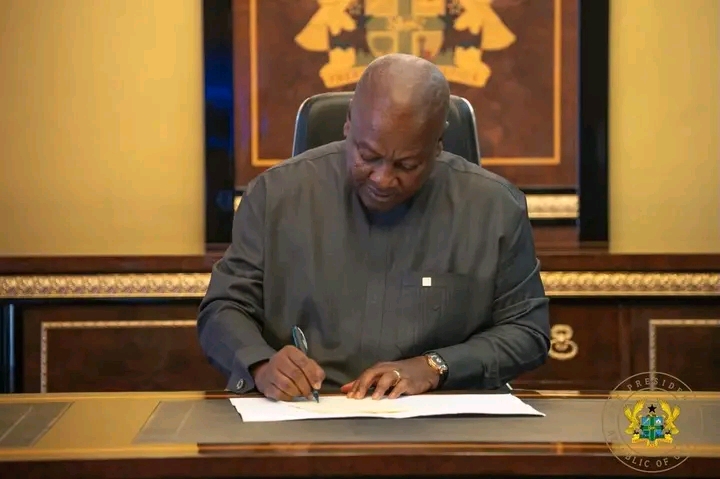
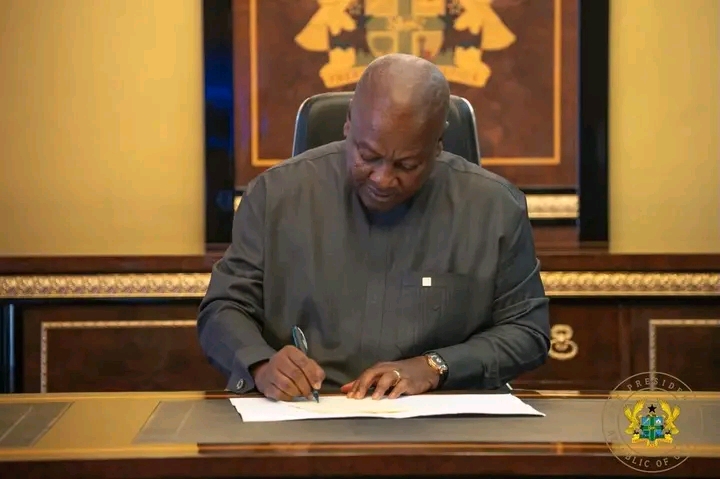
President John Dramani Mahama has formally assented to the COVID-19 Health Recovery Levy Repeal Act, 2025, marking the official abolishment of the one percent levy that was imposed on goods, services, and imports during the height of the COVID-19 pandemic. The repeal signals a major fiscal policy shift aimed at reducing the financial burden on individuals and businesses while supporting broader economic recovery efforts.
The COVID-19 Health Recovery Levy was introduced as part of a national strategy to mobilize additional resources to strengthen the health sector, bolster pandemic response measures, and stabilize the economy at a time of global crisis. Over the years, however, many stakeholders including business associations, traders, and consumer interest groups have expressed concern over the continued application of the levy, arguing that it increased the cost of doing business and contributed to rising prices of essential goods and services.

By assenting to the Repeal Act, President Mahama has taken a decisive step to address these concerns. Government officials say the removal of the levy is part of a comprehensive plan to revitalize economic activity, improve the investment climate, and provide much-needed relief to households already struggling with increased living costs. The measure is also expected to support small and medium-sized businesses, which have been particularly affected by high operational expenses.
Economic analysts note that scrapping the levy could help ease inflationary pressures by reducing the cost of both imported and locally produced goods. It may also boost consumer confidence and spending, which are essential to accelerating economic growth in the post-pandemic period.
The decision reflects the government’s commitment to restoring stability, promoting business competitiveness, and realigning the tax structure to better support national development goals. The COVID-19 Health Recovery Levy Repeal Act, 2025, takes immediate effect, ensuring that the 1% charge will no longer be factored into transactions across the country.
As Ghana moves further away from the pandemic era, the repeal represents a symbolic and practical milestone in its journey toward economic restoration and renewed national resilience.