By: Kenneth Appiah Bani
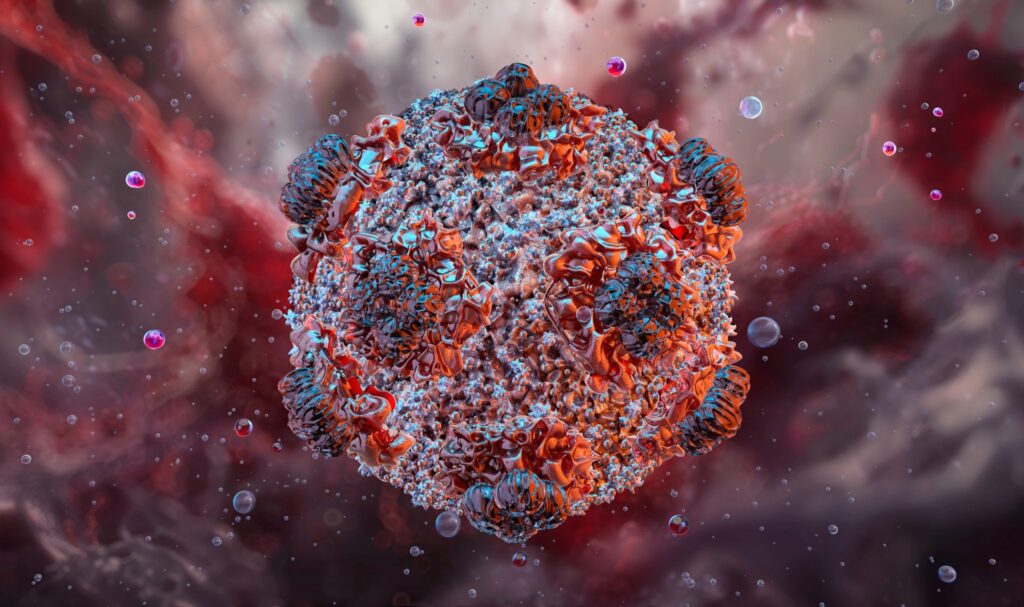
Hantavirus is a dangerous zoonotic virus that naturally infects rodents and can occasionally spread to humans. According to the World Health Organization, hantaviruses are carried by rodents such as rats and mice, making them a serious public health concern in many parts of the world. Although infections in humans are relatively rare, the disease can become severe and sometimes fatal if not treated early. As awareness about infectious diseases continues to grow globally, understanding hantavirus, its causes, symptoms, mode of transmission, and prevention has become increasingly important.
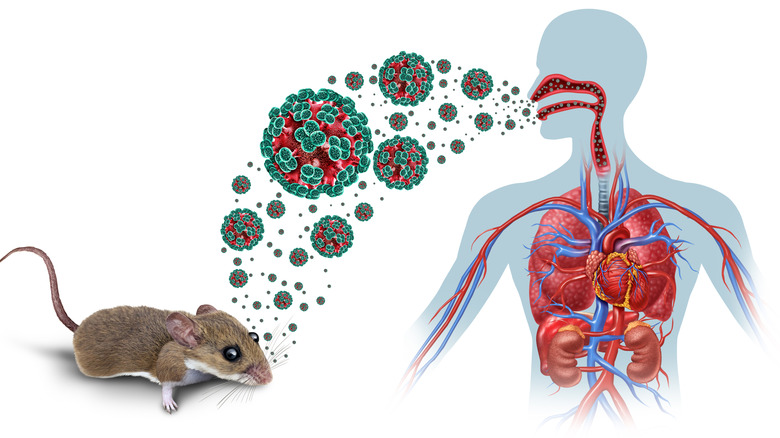
Hantavirus belongs to a family of viruses that are mainly transmitted through contact with infected rodents or their waste products. The virus can cause severe illnesses in humans, including Hantavirus Pulmonary Syndrome (HPS), which attacks the lungs, and Hemorrhagic Fever with Renal Syndrome (HFRS), which affects the kidneys. These illnesses can rapidly worsen and may lead to death if medical attention is delayed.
Health experts therefore stress the importance of early detection and prevention.
The virus spreads primarily through exposure to rodent urine, saliva, and droppings. Humans may become infected when they inhale contaminated air particles released while sweeping or cleaning areas infested with rodents. Infection can also occur when a person touches contaminated surfaces and later touches the mouth, nose, or eyes.
In some cases, rodent bites or consumption of food contaminated by rodents may also lead to infection. The World Health Organization notes that human-to-human transmission is very rare for most hantavirus strains, although isolated cases have been reported in certain regions.
Symptoms of hantavirus infection usually begin one to eight weeks after exposure. Early signs often resemble common flu symptoms, making diagnosis difficult during the initial stages. Patients may experience fever, fatigue, muscle pain, headaches, dizziness, chills, nausea, and vomiting.
As the disease progresses, more severe symptoms such as coughing, chest pain, and difficulty breathing may develop. In advanced stages, fluid can build up in the lungs, making breathing extremely difficult and potentially leading to death.
Preventing hantavirus infection largely depends on reducing contact with rodents and maintaining proper hygiene. Health authorities advise people to keep homes and workplaces clean and free from rodent infestations. Food should be properly stored, and holes or cracks that allow rodents to enter buildings should be sealed. Individuals cleaning rodent-infested areas are encouraged to wear gloves and masks while disinfecting contaminated surfaces before sweeping or cleaning. Proper waste disposal and regular sanitation are also important preventive measures.
In conclusion, hantavirus remains a serious but preventable disease caused by viruses carried by rodents. Although human infections are uncommon, the virus can lead to severe health complications affecting the lungs and kidneys. Understanding how the virus spreads, recognizing its symptoms early, and practicing effective preventive measures are essential steps in reducing infections and protecting public health. The World Health Organization continues to encourage global awareness and rodent control efforts to help prevent the spread of hantavirus worldwide.