By: Kenneth Appiah Bani
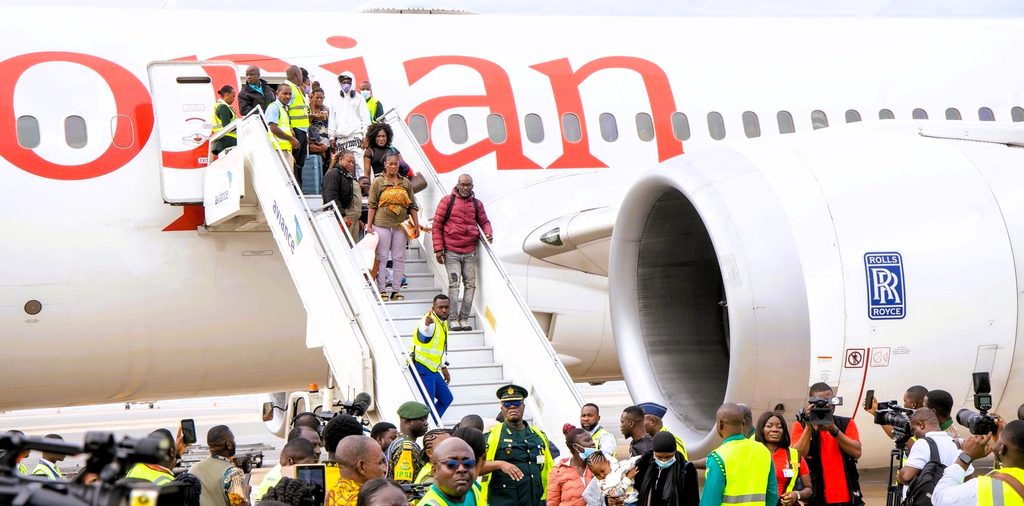
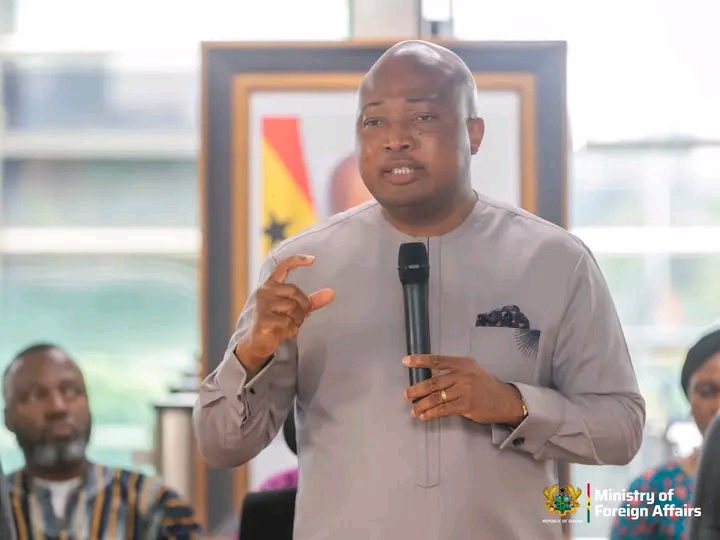
The Government of Ghana spent GH¢49.72 million to evacuate 1,964 Ghanaian nationals from South Africa following a resurgence of xenophobic attacks targeting African nationals, Foreign Affairs Minister Samuel Okudzeto Ablakwa has disclosed.
The expenditure covered a wide range of logistical and welfare-related needs, including air transportation, ground transport, feeding, accommodation and medical care for the affected Ghanaians.
The disclosure by the Foreign Affairs Minister provides details of the financial resources committed by the government to protect Ghanaian nationals caught up in the security concerns and facilitate their safe return to Ghana.
According to Ablakwa, the total cost of the evacuation exercise amounted to GH¢49.72 million, reflecting the scale of the operation involving nearly 2,000 Ghanaian nationals.
The evacuation required the government to coordinate several logistical arrangements, from transporting citizens from different locations in South Africa to designated departure points to arranging flights and providing essential support before their return.
Beyond the cost of air travel, the government also had to cater for the feeding and accommodation of evacuees, as well as transportation and medical needs.
The comprehensive nature of the expenditure suggests that the exercise was not limited to the physical evacuation of citizens but also involved providing humanitarian and welfare assistance to those affected by the situation.
The evacuation also received significant support from the private sector.
Ablakwa disclosed that Engineers and Planners, owned by businessman Ibrahim Mahama, contributed GH¢16 million towards the evacuation exercise.
The contribution represents a substantial intervention in support of the government’s efforts to bring the affected Ghanaians home.
The involvement of the private sector also highlights the role businesses and individuals can play in supporting national emergency responses, particularly when governments are faced with large-scale humanitarian or security-related challenges.
The Foreign Affairs Minister further disclosed that the government spent GH¢84,274 to repatriate the mortal remains of two Ghanaians from South Africa to Ghana.
The repatriation formed part of the broader response to the situation and ensured that the remains of the deceased were returned to Ghana for their families to undertake the necessary funeral and burial arrangements.
The cost covered the arrangements necessary to facilitate the return of the remains from South Africa to Ghana.
The evacuation followed renewed concerns over xenophobic attacks against foreign nationals in South Africa.
Ghanaians living and working in South Africa, like other African nationals, faced concerns about their safety as tensions and attacks against foreign nationals reportedly increased.
For many of those affected, returning to Ghana became a safer option, prompting the government to intervene and facilitate their evacuation.
The government’s response underscores the responsibility of the state to protect its citizens abroad, particularly during emergencies that threaten their lives, livelihoods and personal security.
Evacuating almost 2,000 people from another country requires extensive coordination between government agencies, diplomatic missions, airlines, transport providers and other stakeholders.
The exercise involved identifying and registering affected Ghanaian nationals, coordinating their movement, arranging transportation and ensuring that they had access to food, accommodation and medical support where required.
Such operations can also involve unexpected costs, particularly when evacuation arrangements have to be implemented within a short period because of an unfolding security situation.
The GH¢49.72 million expenditure therefore reflects not only the cost of transporting the evacuees but also the broader logistical and humanitarian requirements associated with the operation.
The disclosure of the expenditure is also significant from the standpoint of public accountability.
With public funds involved in the evacuation, information about the total cost and the various areas of expenditure provides citizens with insight into the resources committed to the operation.
The contribution from Engineers and Planners further provides an indication of the financial support received from outside government to complement the evacuation effort.
As Ghana continues to have thousands of nationals living and working in different parts of the world, the South Africa evacuation highlights the importance of effective consular services and emergency preparedness.
The evacuation ultimately demonstrates the difficult choices governments sometimes have to make when the safety of their citizens abroad is threatened.
While the financial cost of GH¢49.72 million is significant, the operation was undertaken in response to concerns over the safety of Ghanaian nationals and the need to provide them with a safe passage home.
The figures disclosed by Ablakwa GH¢49.72 million for the evacuation of 1,964 Ghanaians, GH¢16 million contributed by Engineers and Planners, and GH¢84,274 spent on repatriating two mortal remains provide a clearer picture of the scale and cost of Ghana’s response to the xenophobic attacks.
The development also reinforces the need for continued cooperation between government, diplomatic missions and the private sector in responding swiftly to emergencies involving Ghanaian nationals outside the country.