By: Kenneth Appiah Bani
President John Dramani Mahama has announced that the 48 Engineer Regiment of the Ghana Armed Forces will play a major role as a sub-contractor in the construction of the proposed Accra–Kumasi Expressway.
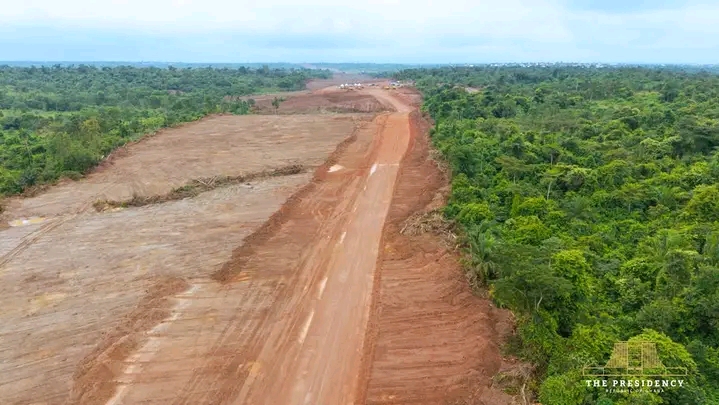
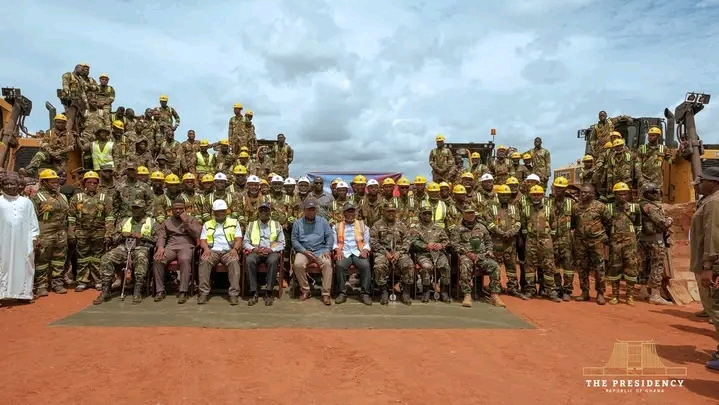
President Mahama made the announcement at Kwaso in the Ashanti Region during the handing-over ceremony for the 175.7-kilometre Right of Way cleared by the Ghana Armed Forces for the project.
The clearance of the Right of Way is an important step towards the construction of the expressway, as it creates the needed space for work to begin. The development is expected to move the project from the preparation stage to the next phase.
Speaking at the ceremony, President Mahama disclosed that US$2 billion has been secured to finance the Accra–Kumasi Expressway, stressing that the funding does not involve borrowing.
According to the President, the government has placed the US$2 billion in a special account for the project and plans to increase the amount to US$4 billion by the end of the year to ensure that the expressway is fully financed.
The President’s assurance that the project is being financed without borrowing is expected to be welcomed by Ghanaians, particularly at a time when the government has been under pressure to manage public debt and reduce excessive borrowing.
Another important aspect of the project is the compensation paid to affected farmers. A total of 469 farmers have been paid compensation as the clearance of the corridor continues.
The payment of compensation is necessary because the construction corridor affects lands used by some farmers. Ensuring that affected persons are compensated is therefore an important part of the process before major construction activities can take place.
President Mahama also disclosed that the design of the Accra–Kumasi Expressway has made provision for a railway line between Accra and Kumasi.
This means that space has been reserved along the project corridor to accommodate a railway in the future. The provision is part of a wider plan to improve Ghana’s transportation system by combining road and rail infrastructure.
According to President Mahama, the Finance Minister will develop a financing plan aimed at reviving the country’s railway system. The plan is expected to support efforts to improve rail transportation and create another option for the movement of passengers and goods between major parts of the country.
The inclusion of space for a railway line is significant because the Accra–Kumasi corridor is one of the country’s busiest transportation routes. A functional railway connection between the two cities could complement the expressway and help reduce some of the pressure on the road network.
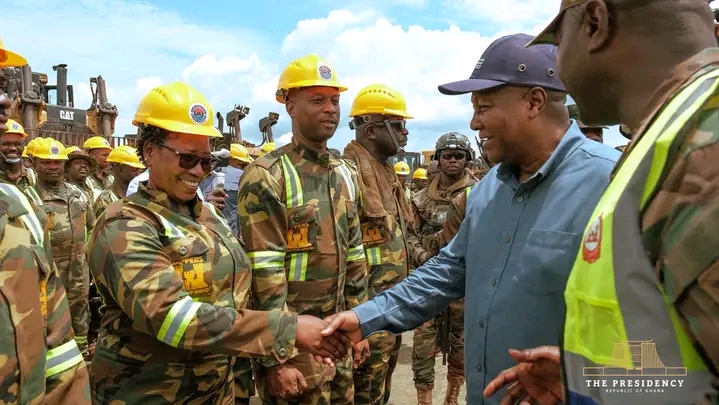
The 48 Engineer Regiment of the Ghana Armed Forces is expected to play a key role in the project. The regiment has already been involved in clearing the Right of Way, and President Mahama has now announced its role as a major sub-contractor.
The President has also directed the regiment to begin clearing the Right of Way for the proposed New Accra Orbital. The project is part of efforts to improve road connections within and around the Greater Accra Region.
The New Accra Orbital is expected to provide an additional route for motorists and help ease pressure on some of the existing roads in the capital. The involvement of the 48 Engineer Regiment in the clearing exercise is expected to help move preparations for the project forward.
The Accra–Kumasi Expressway itself is expected to bring several benefits to the country. The road links Accra, the national capital and major commercial centre, to Kumasi, one of Ghana’s biggest economic and transportation hubs.
Thousands of people and vehicles use the corridor every day. Traders, farmers, transport operators and businesses also depend on the route to move goods and services between different parts of the country.
A modern expressway could therefore reduce travel difficulties and make the movement of people and goods easier. It could also create jobs and business opportunities during the construction and maintenance stages.
For the government, however, the next major challenge will be ensuring that the funding announced for the project is maintained and that the construction progresses as planned.
The handing-over of the 175.7-kilometre cleared Right of Way at Kwaso marks an important point in the project. With compensation paid to hundreds of affected farmers, funding announced and space reserved for a future railway line, the government says the necessary groundwork is being put in place.
If the project is successfully completed, the Accra–Kumasi Expressway could become one of Ghana’s most important road infrastructure projects. Together with the proposed railway connection, it could significantly improve transportation between the two major cities and support economic activities along the corridor.
For now, attention will be on the government and the contractors to turn the plans, funding and cleared Right of Way into actual construction work that Ghanaians can see on the ground.