By: Kenneth Appiah Bani
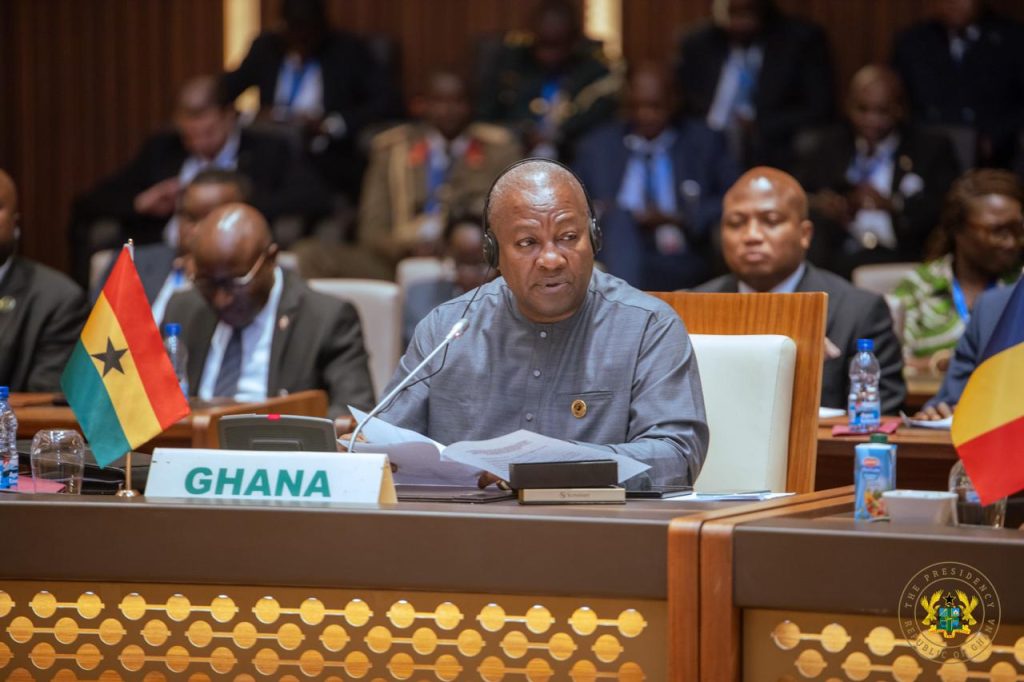
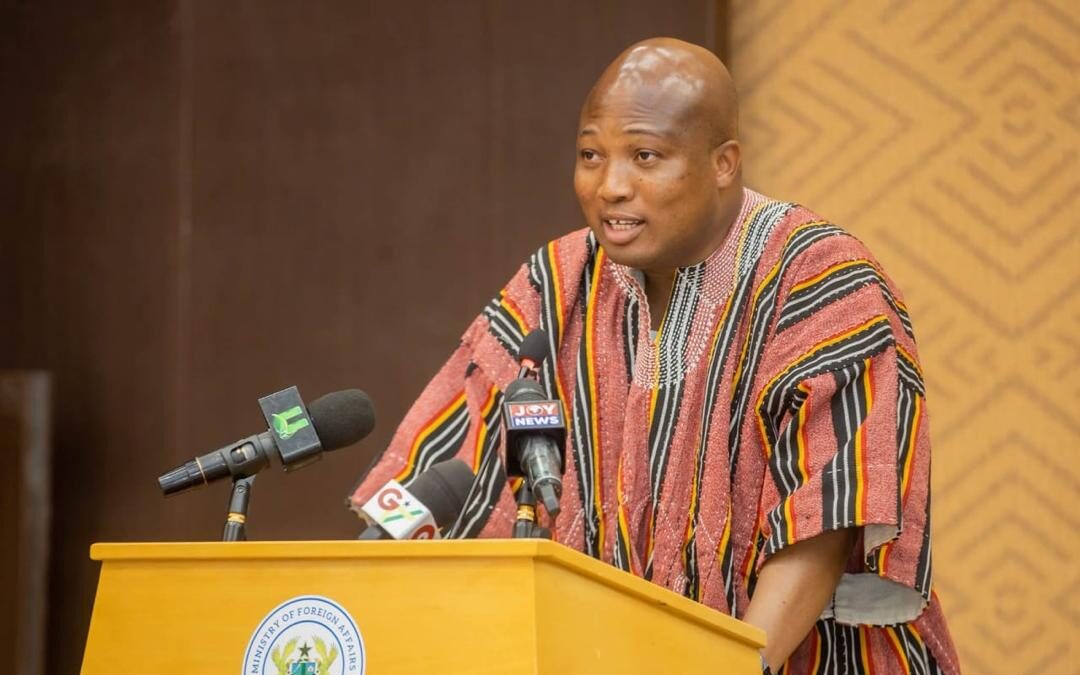
Ghana’s Minister for Foreign Affairs, Samuel Okudzeto Ablakwa, has called for greater international cooperation towards achieving reparatory justice and building a fairer and more inclusive world.
Speaking on the issue of reparatory justice, Ablakwa said Ghana’s objective is not simply to seek compensation, but to contribute to the creation of a global system that rejects racism, discrimination and historical injustice.
“All we seek is to build a new world, a fair and just world, a world without racism and a world without discrimination,” the Foreign Affairs Minister said.
His remarks come amid growing international discussions about the historical consequences of slavery, colonialism and the exploitation of African people and resources.
Ghana has been among the countries pushing for greater recognition of the historical injustices suffered by Africans and for measures aimed at addressing their lasting effects.
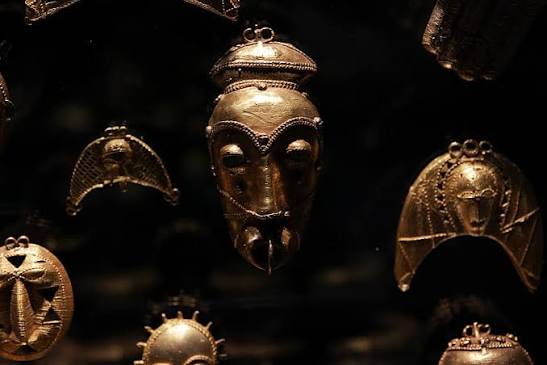
Ablakwa also highlighted the issue of African cultural artefacts held in museums and institutions outside the continent. According to him, France, Germany and the Netherlands have publicly expressed their willingness to return some artefacts in their possession.
“France, Germany and the Netherlands have publicly pledged their willingness to return artefacts in their possession, and we are waiting for other countries to emulate this worthy example,” he said.
The return of African artefacts has become an important part of broader discussions about historical justice and cultural restitution. Supporters of restitution argue that many objects were removed from African communities during colonial-era military campaigns, expeditions and other forms of foreign intervention, and that returning them would help strengthen cultural identity and historical ownership.
Ablakwa further noted that although the United States voted against a resolution concerning reparatory justice, Washington remains willing to engage with countries pursuing the broader objective of creating a fairer international system.
“Even though the United States voted against this resolution, it is willing to begin to work with us towards the fair and just world we all seek,” he said.
The minister’s comments underscore Ghana’s position that conversations about reparatory justice should extend beyond financial considerations to include issues of equality, racial justice, cultural heritage and international cooperation.
As countries continue to debate how historical injustices should be addressed, Ghana is seeking broader international support for initiatives aimed at promoting recognition, restitution and greater fairness in relations between Africa and the rest of the world.