By: Kenneth Appiah Bani
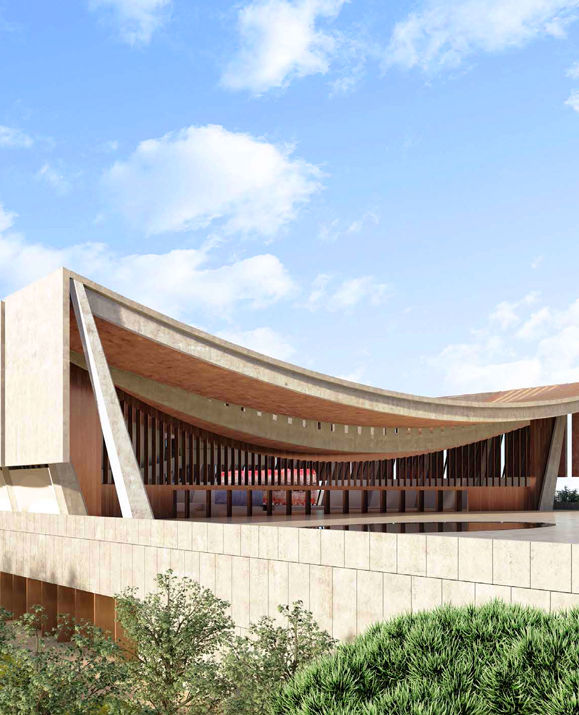
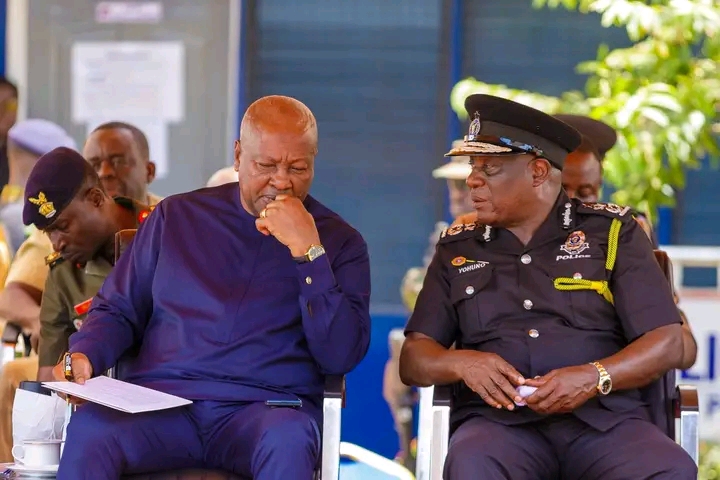
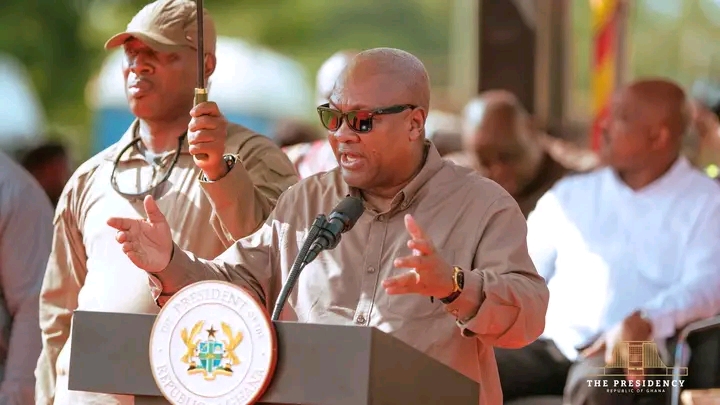
President John Dramani Mahama has renewed his opposition to the use of taxpayers’ money to finance Ghana’s National Cathedral, arguing that the project should instead be funded through voluntary contributions from Christians in Ghana and abroad.
His comments come against the background of growing controversy surrounding the project, which was initiated under the previous New Patriotic Party (NPP) administration but remains incomplete despite significant public funds having been committed to it.
Speaking on the issue, President Mahama said Christians in Ghana had the numbers and financial capacity to raise the resources needed to construct the facility without relying on the national budget.
«“My second problem was that we shouldn’t use taxpayers’ money. I mean, how many Christians are there in this country? If we all pay 1,000 cedis each, we should be able to construct a national cathedral.”»
He further suggested that Christian organisations outside Ghana could also support the project if the Christian community collectively decided to raise funds for its completion.
«“And there are Christian groups outside; if we come together and say we want to construct a cathedral, we should be able to source funding to help,” he added.»
How the National Cathedral controversy began
The National Cathedral project was launched under former President Nana Addo Dankwa Akufo-Addo, with the previous administration presenting it as a major national and religious project.
The project, however, became increasingly controversial over its financing, construction progress and the management of funds.
By 2022, reports indicated that about US$58 million in public funds had been committed to the project. Critics questioned why such substantial state resources were being spent on the cathedral at a time when Ghana was experiencing severe economic difficulties.
The project subsequently stalled, leaving an unfinished structure at the site while questions continued to be raised about the contracts awarded, payments made and the overall financial management of the project.
Audit exposes financial and procurement concerns
After assuming office, President Mahama’s government commissioned an independent audit by Deloitte & Touche into the financial activities of the National Cathedral Secretariat.
The audit, which covered the period from December 31, 2021, to December 31, 2023, identified several financial and procurement irregularities, including unsupported expenditures, discrepancies in contract values, weak internal controls and payments that raised questions about compliance with established procedures.
Among the findings was a discrepancy involving payments to the architectural firm Sir David Adjaye & Associates. Government records showed payments of about GH¢113.04 million, while the firm’s records reportedly indicated approximately GH¢117.97 million, leaving an unexplained difference of about GH¢4.93 million.
The audit also found that about GH¢15.74 million had been paid to the firm before the formal agreement was signed and before approval from the Public Procurement Authority.
The report further raised questions about additional payments for works that were not included in the original contract.
Another consultant, the Nehemiah Group, was also flagged over payments made after the expiry of its contract. The audit additionally identified what it described as overlapping responsibilities, with another company contracted to provide project management and coordination services during a period when the Nehemiah Group was already being paid for similar functions.
CHRAJ also raises procurement concerns
The controversy was not limited to the Deloitte audit.
The Commission on Human Rights and Administrative Justice (CHRAJ), following a petition concerning alleged corruption and abuse of power in the project, found that the contract awarded to Ribade Company Limited for the construction of the cathedral was void ab initio, meaning it was considered invalid from the beginning because mandatory provisions of Ghana’s procurement law had not been followed.
CHRAJ recommended that the Public Procurement Authority intervene to cancel the contract and called for further investigation and possible prosecution of members of the National Cathedral Board of Trustees who oversaw the contract award.
These findings have added to concerns about how the project was conceived, contracted and financed under the previous administration.
Cost rises beyond the previously disclosed US$58 million
The financial picture also became more complicated after the Deloitte audit.
The Mahama administration said that although the public had generally been told that approximately US$58 million had been spent or committed to the project, there was an additional US$39 million outstanding to the contractor.
This placed the total financial commitment at about US$97 million, even though construction had been halted for years. Government officials also warned that the structure of the contract meant additional costs could continue to accumulate.
In response, President Mahama dissolved the National Cathedral Secretariat in May 2025 and began steps to dissolve the Board of Trustees. He also directed that the Auditor-General conduct a forensic audit covering areas that were not fully addressed by the Deloitte review.
Government moves to investigate and recover public funds
The Mahama administration has said that the investigations are intended to establish whether public resources were improperly used and to determine responsibility where wrongdoing is established.
In August 2026, Attorney-General and Minister of Justice Dr Dominic Ayine disclosed that a PwC report on the National Cathedral had raised further concerns about the use of public funds allocated to the project.
He argued that resources committed to the cathedral could instead have been used to complete critical public infrastructure, including stalled health facilities.
The government has therefore been faced with a difficult decision: whether to continue with the cathedral, terminate the existing arrangements or find a new funding model that does not place the financial burden on taxpayers.
Mahama’s position on the way forward
It is against this background that President Mahama has argued that taxpayers should not be expected to finance the National Cathedral.
Rather than abandoning the idea altogether, he appears to support a model where Christians and Christian organisations voluntarily mobilise the resources required for the project.
His proposal that Christians contribute GH¢1,000 each reflects his argument that the project can be financed through collective religious support if the Christian community takes ownership of the initiative.
For Mahama, the central issue is therefore not necessarily whether Ghana should have a National Cathedral, but who should pay for it and how the money should be managed.
The future of the project will ultimately depend on the outcome of the ongoing investigations, the legal processes surrounding existing contracts and the government’s decision on whether the cathedral should continue in its current form.
For now, the unfinished structure remains a symbol of one of the previous administration’s most controversial projects, with millions of dollars in public commitments, unresolved questions about procurement and financial management, and a growing debate over whether taxpayers should bear any further cost.