
By: Kenneth Appiah Bani
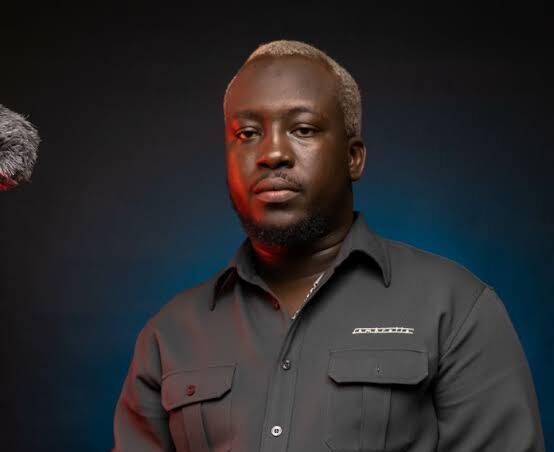
The debate over access to secondary education in Ghana has once again come into focus following comments by Alexander Akwasi Acquah on United Television (UTV). Mr. Acquah questioned the rationale behind the use of cut-off points for candidates who sit the Basic Education Certificate Examination (BECE) and seek admission to Senior High School (SHS).
According to him, every child who completes basic education deserves an opportunity to continue to the secondary level. He therefore questioned why a particular cut-off point should determine whether a BECE candidate gets the opportunity to pursue secondary education.
“Every child deserves the opportunity to access secondary education. So, why should there be a cut-off point for BECE candidates seeking admission to SHS?” Mr. Acquah asked.
His comments raise an important question about the purpose of education and the responsibility of the state to provide opportunities for young people.
Education is widely regarded as one of the most important tools for individual development and national transformation. For many young Ghanaians, secondary education is the bridge between basic education and further academic, vocational or professional training. Denying a child the opportunity to progress because of limited spaces in schools can therefore have consequences that extend beyond the individual student.
Mr. Acquah further argued that the government’s decision to impose BECE cut-off points is largely connected to the limited capacity of the country’s secondary education system.
“The government is imposing BECE cut-off points because it lacks the capacity to absorb all candidates into SHS,” he stated.
This argument shifts the discussion from the performance of individual students to the capacity of the education system itself. If there are more qualified candidates seeking admission than the available schools can accommodate, the problem may not necessarily be that students should be excluded. Instead, it could point to the need for greater investment in the education sector.
Ghana has over the years made significant efforts to expand access to secondary education. However, increased enrolment also creates pressure on school infrastructure, teachers, classrooms, laboratories, workshops, dormitories and other educational facilities.
The challenge, therefore, is how government can maintain the quality of education while ensuring that more children are given the opportunity to continue their studies.
Cut-off points can serve as a mechanism for managing limited spaces, particularly in a system where demand for certain schools is extremely high. However, the concern raised by Mr. Acquah is whether such a mechanism should become a barrier to secondary education altogether.
There is also the question of whether BECE performance should be the sole determining factor in deciding a child’s educational future. Examination results are important, but they may not always capture every student’s ability, potential, practical skills or individual circumstances.
A student who does not meet a particular academic threshold may still have considerable potential in technical, vocational, creative or other areas of education. Providing different pathways within the secondary education system could therefore help ensure that students are not left behind.
Government’s responsibility should consequently go beyond determining who qualifies for admission. It should also involve creating enough opportunities to accommodate the growing number of young people who need education.
Expanding existing schools, constructing new institutions, increasing classroom and dormitory capacity, improving technical and vocational facilities, and recruiting adequate teachers could help address the underlying problem.
The issue also requires careful consideration because excluding young people from secondary education can create wider social and economic challenges. Education equips young people with knowledge and skills that can improve their employment prospects and ability to contribute meaningfully to society.
From this perspective, the debate over BECE cut-off points is not simply about examination grades. It is fundamentally about access, opportunity, capacity and equity in Ghana’s education system.
Mr. Acquah’s comments on UTV therefore provide an opportunity for policymakers, education experts, parents and other stakeholders to examine whether the country’s current approach is sufficient to meet the educational needs of its growing young population.
Rather than viewing the issue only from the perspective of how many students the existing system can accommodate, the broader question should be how the system can be expanded to accommodate the aspirations of Ghana’s children.
Ultimately, every child may not achieve the same BECE results, but every child deserves an educational pathway that allows them to develop their abilities and contribute to the country’s future.
If limited capacity is the reason behind the imposition of cut-off points, then the long-term solution should arguably focus on expanding capacity rather than simply reducing access.
The future of Ghana depends heavily on the quality and accessibility of education available to its young people. The debate sparked by Alexander Akwasi Acquah should therefore encourage a deeper national conversation about how Ghana can build a secondary education system that is both sustainable and inclusive.
The fundamental question remains: Should a child’s opportunity to receive secondary education be determined by the limitations of the education system, or should the system be strengthened to meet the educational needs of every child?
That is a question policymakers and stakeholders must confront as Ghana continues to shape the future of its education sector.