By : Kenneth Appiah Bani
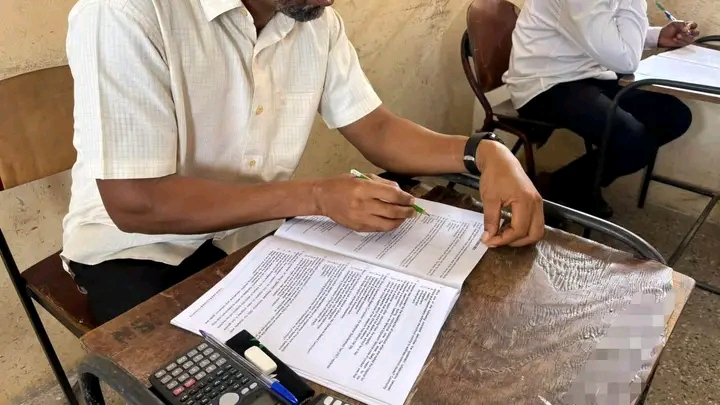
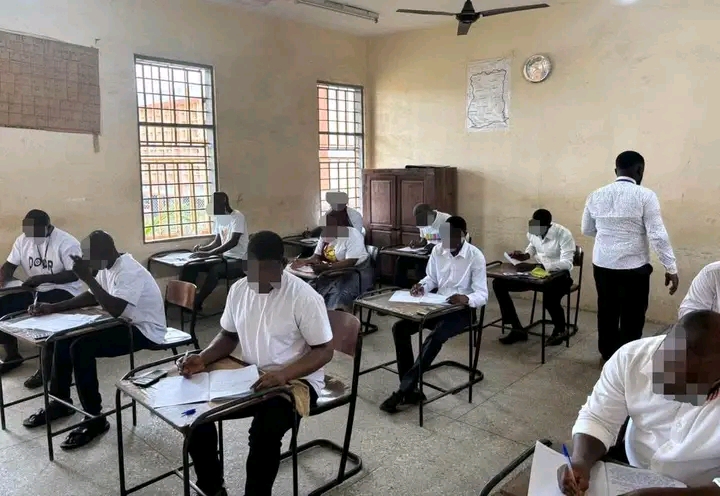
Thirty-seven (37) inmates of the Nsawam Medium Security Prison have taken the Teacher Licensure Examination after successfully completing their degree programmes, in a development that highlights the growing role of education in the rehabilitation of persons in custody.
The examination was conducted at the Nsawam Medium Security Prison on Monday, September 14, 2026, with the candidates writing the papers within the facility.
The exercise forms part of the Ghana Prisons Service’s efforts to make education and skills development important components of inmate rehabilitation, reformation and eventual reintegration into society.
Education as a tool for rehabilitation
For inmates who have completed tertiary education while serving their sentences, the opportunity to sit for a professional examination represents an important step towards applying the knowledge and qualifications they have acquired.
The Ghana Prisons Service has increasingly placed emphasis on programmes that can equip inmates with academic, vocational and practical skills. Such interventions are intended to help inmates prepare for life beyond prison and improve their prospects of pursuing legitimate livelihoods after their release.
In the case of the 37 candidates, completing their degree programmes and progressing to the Teacher Licensure Examination provides an opportunity to pursue professional development in the education sector, subject to meeting all applicable requirements for teacher certification and employment.
Examination conducted under supervision.
The examination was held under the supervision of two external invigilators, with officers of the Ghana Prisons Service providing additional support at the facility.
The arrangement allowed the inmates to participate in the examination within the prison environment while maintaining the necessary examination procedures and supervision.
The participation of the candidates demonstrates that imprisonment does not necessarily have to bring an end to educational development. Instead, access to structured education can provide inmates with an avenue to continue learning and work towards qualifications that may be useful after their release.
Supporting reintegration into society.
Reintegration is a significant part of the correctional process. Beyond serving their sentences, inmates who acquire education and employable skills may have additional tools to navigate life after prison.
For the Ghana Prisons Service, initiatives that promote education are therefore linked to a broader objective of preparing inmates for responsible participation in society.
A qualification or professional credential can also provide former inmates with an opportunity to pursue employment or other productive activities, potentially helping them establish sustainable livelihoods and reduce the difficulties associated with returning to society.
A significant milestone for the candidates.
For the 37 inmates who sat for the examination, the exercise marks another stage in their academic journey.Having completed their degree programmes, the Teacher Licensure Examination gives them an opportunity to take the next step towards professional development.
Their participation also demonstrates the commitment of the prison authorities and relevant educational stakeholders to facilitating continued learning within the correctional environment.
The development comes at a time when rehabilitation and reintegration remain important considerations in discussions about the role of correctional institutions.
Rather than focusing solely on confinement, rehabilitation programmes seek to address the need to prepare inmates for life after incarceration by providing opportunities for education, vocational training and personal development.
Education beyond the prison walls.
The success of programmes such as this could have implications beyond the individual candidates. When inmates leave prison with academic qualifications and practical skills, they may be better positioned to seek opportunities and contribute positively to their communities.
The 37 inmates’ participation in the Teacher Licensure Examination at Nsawam Medium Security Prison therefore represents more than an examination exercise. It is also an example of how educational opportunities can form part of broader efforts to support rehabilitation and prepare inmates for reintegration into society.
The Ghana Prisons Service continues to use such initiatives to encourage inmates to invest in their personal development while serving their sentences, with the ultimate objective of supporting responsible and productive lives after release.