By: Kenneth Appiah Bani
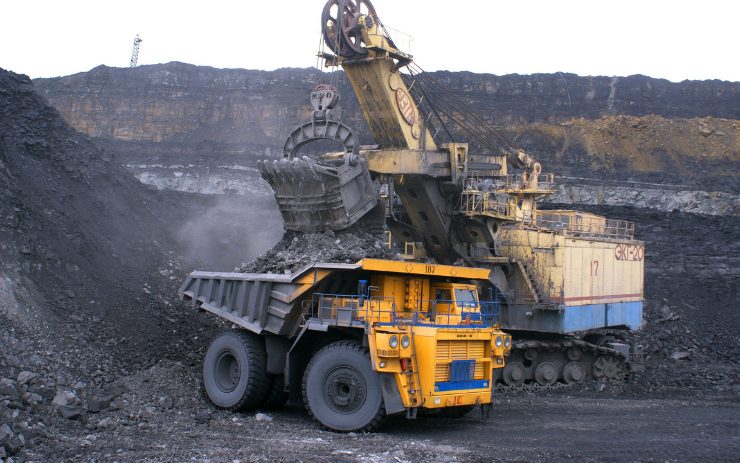
Ghana has issued a firm directive to major international mining companies, including Newmont Corporation, AngloGold Ashanti, and Zijin Mining Group, to transfer their mining operations to locally owned contractors by December 2026 or face severe sanctions.
The order, enforced by the Minerals Commission, forms part of Ghana’s broader strategy to strengthen local participation in the mining sector and retain a greater share of mineral wealth within the country.
Under revised local content regulations introduced in January 2025, all surface mining activities must be conducted by fully Ghanaian-owned companies, while underground mining operations must involve firms with at least 50% Ghanaian ownership.
The directive primarily affects companies that have yet to fully transition to contract mining structures. While most large-scale miners in Ghana have already complied, Newmont, Zijin, and parts of AngloGold Ashanti’s operations remain under scrutiny.
AngloGold Ashanti has indicated that it already operates contract mining at its Iduapriem mine through a joint venture and is taking steps to complete the transition by the end of 2026. The company described the move as a business decision that predates the new regulations.
Zijin’s Ghana subsidiary has also begun engagement with regulators, preparing tender processes and technical frameworks to align with the policy. The company noted that its transition includes integrating new technologies that require benchmarking before full rollout.
Despite appeals for additional time, Ghanaian authorities have declined to extend the compliance deadline. Newmont, which operates the Ahafo North and South mines, had requested to delay full implementation until 2027, citing governance and regulatory obligations tied to its status as a publicly listed company.
However, government officials rejected the request, pointing out that other listed firms operating in Ghana have successfully met similar requirements within the stipulated timeframe.
The issue was reportedly discussed during high-level meetings in Accra between Newmont’s CEO, Natascha Viljoen, and officials of the Minerals Commission. The regulator maintained its stance that the December 2026 deadline is non-negotiable.
Authorities have warned that failure to comply could attract substantial penalties. According to government sources, companies that miss the deadline may first face heavy fines, with the possibility of mine shutdowns for continued non-compliance.
This hardline position underscores Ghana’s commitment to enforcing its mining policies amid a broader continental trend. Several African nations are tightening regulations in the extractive sector to increase domestic revenue, particularly as global demand and prices for minerals continue to rise.
The government insists that Ghanaian firms are adequately positioned to take on expanded roles in the mining value chain. Indigenous companies such as Engineers & Planners and Rocksure International have been cited as examples of growing local capacity.
Officials say the policy is not only about ownership but also about fostering technical expertise, job creation, and long-term economic resilience.
However, some industry stakeholders argue that the transition should be guided by commercial efficiency rather than regulatory enforcement, warning that operational costs and productivity could be affected if not carefully managed.
The policy shift comes as Newmont’s leadership has urged Ghana to maintain fiscal stability within the mining sector, highlighting the importance of predictable regulatory frameworks for investor confidence.
As the December 2026 deadline approaches, the outcome of this directive will be closely watched by investors, policymakers, and industry players alike, as Ghana seeks to strike a balance between attracting foreign investment and maximizing local economic benefits from its natural resources.