By: Kenneth Appiah Bani
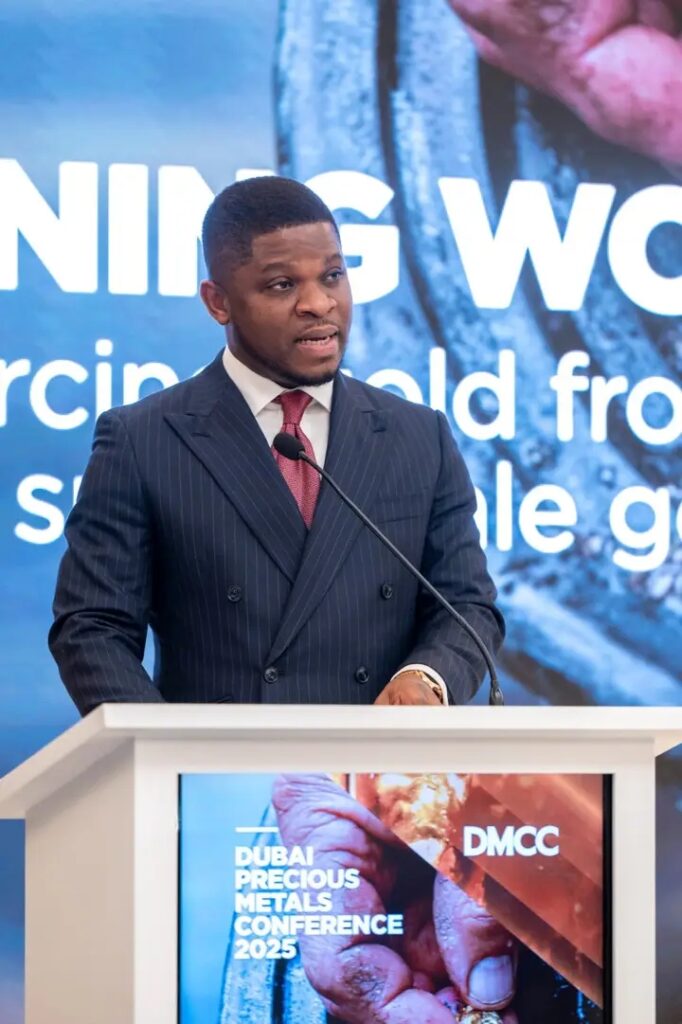
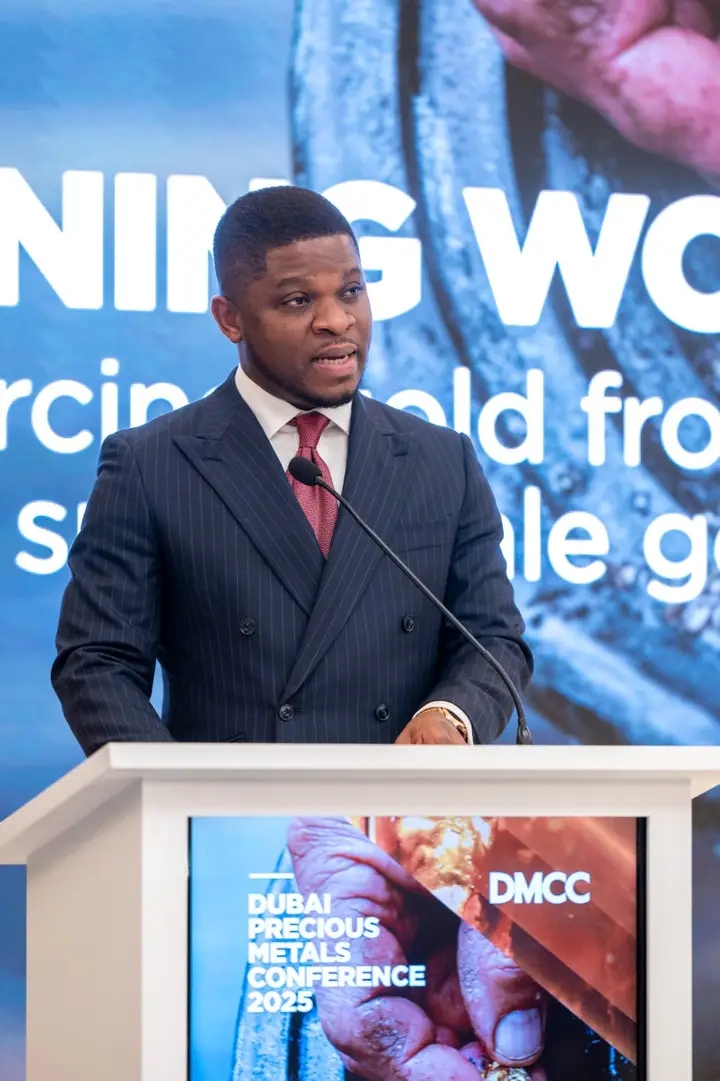
Chief Executive Officer of GoldBod, Sammy Gyamfi, has defended the reported GHS15.6 billion cost incurred by the Bank of Ghana in its gold acquisition programme, describing it as a necessary economic strategy that helped the country generate more than $10 billion without borrowing.
Speaking on The Key Points on TV3 Ghana, Gyamfi explained that the current administration inherited an economy struggling with limited foreign exchange inflows and restricted access to international capital markets.
According to him, Ghana traditionally depends on three major sources for foreign exchange inflows gold, cocoa, and oil. However, he noted that the country faced serious challenges in all three sectors upon the government’s assumption of office.
He stated that cocoa production had declined significantly, reducing the expected annual inflow of between $2 billion and $3 billion. Oil production and global oil prices had also fallen, while Ghana had been locked out of the Eurobond market due to what he described as excessive borrowing by the previous administration.
“With the country unable to access the international capital market for Eurobond financing and IMF inflows limited, government had to find alternative ways to generate dollars for the economy,” he explained.
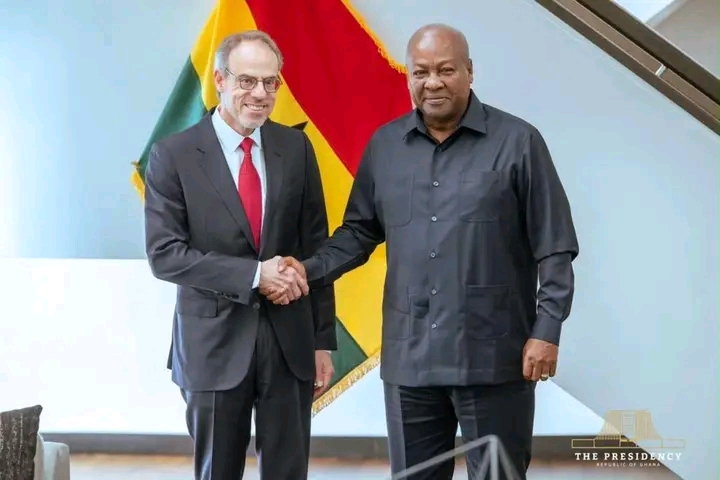
Gyamfi said the only viable option left was to scale up gold purchases through the GoldBod initiative envisioned by President John Dramani Mahama.
He disclosed that through aggressive reforms, effective aggregation systems, licensing reforms, and efforts to combat gold smuggling, Ghana successfully mobilized over 104 tonnes of small-scale gold a historic achievement that reportedly generated more than $10 billion in foreign exchange.
“For the first time in Ghana’s history, the small-scale mining sector outperformed the large-scale sector in gold exports,” he stated.
Addressing concerns about the GHS15.6 billion figure reported by the Bank of Ghana, Gyamfi argued that the amount largely reflects accounting and exchange rate conversion differences rather than outright financial mismanagement.
He explained that gold purchased locally is paid for using the foreign exchange bureau rate, also known as the retail rate, because that is the prevailing market rate recognized by miners. However, by law, the Bank of Ghana records the value of the acquired dollars using the lower interbank exchange rate.
According to him, the difference between the two exchange rates created what he described as a “translational exchange rate effect,” accounting for more than 90 percent of the reported losses.
He illustrated that if gold was purchased using an exchange rate of GHS14 to the dollar at forex bureau rates but later recorded by the Bank of Ghana at GHS11 using the interbank rate, the resulting GHS3 difference automatically appeared as a loss in accounting records.
Gyamfi insisted that the losses were not the result of corruption or mismanagement but rather the unavoidable cost of using gold purchases to generate foreign exchange in the absence of borrowing opportunities.
He further argued that purchasing gold at full international spot prices was necessary to attract miners and prevent smuggling, recalling that a previous 3 percent withholding tax policy in 2021 led to a collapse of gold supply volumes by over 90 percent.
“The Bank of Ghana decided to use market incentives and buy at full spot price because the objective was to attract gold into the formal system,” he said.
He maintained that although the programme came with costs, it was still a cheaper alternative compared to borrowing over $10 billion from international markets, which would have increased Ghana’s debt burden and annual interest obligations.
Gyamfi concluded that the gold purchase strategy should be viewed as a long-term economic intervention designed to stabilize the cedi, strengthen reserves, and reduce dependence on external borrowing.