
By: Kenneth Appiah Bani
The Ghana Police Service has postponed the full implementation of its automated traffic law enforcement programme, TRAFFITECH-GH, by one month.
The programme, which was originally scheduled to begin full enforcement on October 1, 2026, will now commence on November 1, 2026.
The postponement was announced by the Motor Traffic and Transport Department (MTTD) of the Ghana Police Service as authorities continue preparations for the nationwide enforcement of traffic regulations through an automated system.
TRAFFITECH-GH is part of efforts by the Police Service to strengthen road traffic enforcement through technology and reduce reliance on physical intervention by police officers.
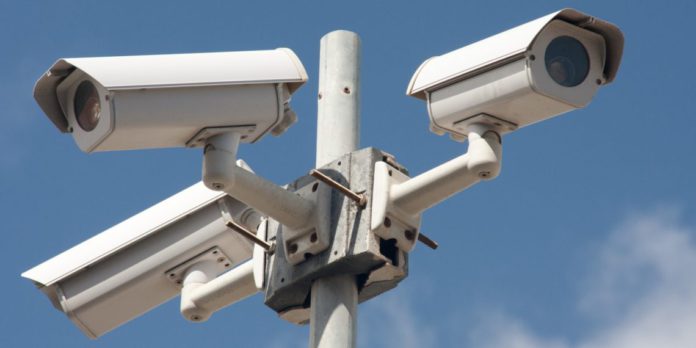
Under the automated enforcement system, traffic violations are expected to be detected through cameras and other technological tools, with motorists who breach specified road traffic regulations subject to the appropriate enforcement measures.
The decision to move the implementation date from October 1 to November 1 gives motorists, transport operators and other road users additional time to familiarise themselves with the system and the traffic regulations that will be enforced.
What the postponement means for motorists
For motorists who had been preparing for the October 1 deadline, the new date means the full implementation of TRAFFITECH-GH will not begin on that earlier date.
However, the postponement should not be interpreted as a cancellation of the programme.
Rather, the November 1 date represents the revised commencement date for full implementation.
The introduction of automated traffic enforcement is expected to change the way motorists interact with traffic regulations on Ghanaian roads.
Instead of depending entirely on traffic officers to identify violations at the point where they occur, automated systems can capture incidents electronically and provide information that can subsequently be used for enforcement.
This means motorists will need to pay greater attention to road signs, traffic lights, lane markings and other traffic regulations as the country moves towards increased use of technology in traffic management.
Why automated traffic enforcement matters
Road safety remains an important public concern in Ghana, particularly as the number of vehicles and road users continues to increase.
Traffic violations such as speeding, ignoring traffic lights, using mobile phones while driving and other forms of unsafe driving can create serious risks for motorists, passengers, pedestrians and other road users.
Traditional traffic enforcement requires police officers to be physically present at locations where violations occur. While officers will continue to play an important role in road safety and traffic management, technology can provide an additional mechanism for monitoring compliance.
An automated enforcement programme can allow authorities to monitor selected roads and intersections more consistently.
It can also create electronic records of detected violations, potentially making the enforcement process more systematic.
For motorists, the development means that compliance with traffic regulations cannot depend solely on whether a police officer is physically visible on a particular stretch of road.
The broader objective is to encourage motorists to observe traffic laws at all times.
A shift towards technology-driven policing
The introduction of TRAFFITECH-GH reflects a wider movement towards the use of technology in public-sector operations.
Traffic management is one area where digital systems can assist authorities in monitoring roads, identifying violations and improving enforcement.
The Police Service’s MTTD has traditionally been responsible for traffic management and enforcement across the country. With the introduction of automated enforcement, technology is expected to become a more prominent part of the department’s operations.
The system is also expected to support officers by providing information that can assist investigations and enforcement activities.
Rather than replacing traffic officers entirely, automated enforcement can complement the work of personnel on the ground.
Police officers will still be required to manage traffic, respond to road incidents, deal with accidents and carry out other responsibilities that cannot be handled solely through cameras and automated systems.
The importance of the extra one month
The one-month postponement provides an additional period for preparation before full enforcement begins.
For authorities, the period can be used to address outstanding operational issues, strengthen communication and ensure that the necessary systems are ready for implementation.
For motorists, the additional time provides an opportunity to become familiar with traffic regulations and adjust driving habits before the system becomes fully operational.
Public education will be particularly important because the effectiveness of automated enforcement will depend partly on how well motorists understand the rules being enforced.
Drivers who are aware of the regulations are better positioned to comply with them and avoid violations.
The postponement therefore provides an opportunity for the Police Service and other relevant stakeholders to intensify public education ahead of November 1.
Motorists urged to take traffic laws seriously
The revised implementation date should not encourage motorists to relax their observance of traffic laws.
Traffic regulations remain applicable regardless of whether automated enforcement has commenced.
Drivers are expected to continue obeying traffic lights, speed limits, road signs and other applicable road regulations.
The purpose of traffic enforcement is not simply to punish motorists who violate the law but also to promote responsible behaviour on the roads.
A successful automated enforcement system will therefore depend not only on the technology itself but also on the willingness of road users to comply with traffic regulations.
Potential impact on driving behaviour
One of the key expectations surrounding automated enforcement is that motorists may become more conscious of their behaviour when driving.
The presence of automated monitoring can encourage drivers to think carefully before committing traffic violations.
For example, a motorist who might otherwise be tempted to use a mobile phone while driving, speed unnecessarily or disregard a traffic signal may reconsider the action knowing that violations can be detected electronically.
Such behavioural changes could contribute to improved road discipline if the system is implemented effectively and consistently.
However, technology alone cannot solve every road safety challenge.
Road safety also depends on good road infrastructure, effective driver education, vehicle roadworthiness, proper traffic management, pedestrian awareness and consistent enforcement of traffic regulations.
Public confidence will be important
As TRAFFITECH-GH moves towards full implementation, public confidence in the system will be an important factor.
Motorists will want assurance that the system operates accurately and that traffic violations are recorded correctly.
Questions surrounding evidence, notification of violations, payment procedures and mechanisms for addressing disputed offences will also be important to the public.
Clear communication from the authorities will therefore be necessary as the November 1 implementation date approaches.
Motorists need to know what offences the system will detect, how violations will be processed and what procedures will apply when a driver believes an enforcement action is incorrect.
Transparency and effective communication can help reduce confusion and improve public understanding of the programme.
Technology and accountability
Automated enforcement also places emphasis on the quality and reliability of the technology being used.
Cameras and related systems must be properly installed, maintained and monitored to ensure that information captured is reliable.
There must also be appropriate safeguards around the handling of motorists’ information and enforcement records.
As Ghana expands the use of digital technology in public administration, questions about data management, system security and accountability become increasingly relevant.
The success of TRAFFITECH-GH will therefore be measured not only by the number of traffic violations detected but also by the reliability, fairness and transparency of the enforcement process.
November 1 becomes the new date to watch
With the October 1 deadline moved, November 1, 2026, now becomes the date motorists and transport operators should take note of.
The additional month gives the Police Service time to prepare for the full rollout while giving the public more opportunity to understand the programme.
For motorists, the message is straightforward: the implementation has been postponed, not abandoned.
Drivers should use the additional time to review road traffic regulations, improve their driving habits and ensure that they understand the requirements that will apply when automated enforcement begins.
Transport unions, commercial drivers, private motorists, driving schools and other road safety stakeholders can also use the period to educate their members and the wider public.
Beyond enforcement
The significance of TRAFFITECH-GH extends beyond the introduction of cameras on Ghana’s roads.
The programme represents an effort to use technology to strengthen traffic management and encourage greater compliance with road safety regulations.
If properly implemented, automated enforcement could provide authorities with another tool for addressing traffic violations while allowing police officers to focus on other important traffic and road safety responsibilities.
At the same time, the success of the initiative will depend on several factors, including reliable technology, public education, transparent enforcement procedures, effective maintenance and consistent application of traffic laws.
The postponement to November 1 provides another month for these preparations.
As Ghana moves closer to the revised implementation date, motorists will be expected to take greater responsibility for their conduct on the road.
The ultimate objective of traffic enforcement remains the promotion of safer roads and more responsible road use.
With TRAFFITECH-GH now scheduled for full implementation from November 1, 2026, the coming weeks will be crucial for public education, technical preparation and ensuring that motorists are adequately informed about what the automated enforcement system will mean for them.
For road users, the safest approach remains the same regardless of the cameras: obey traffic regulations, drive responsibly and put road safety first.