By: Kenneth Appiah Bani
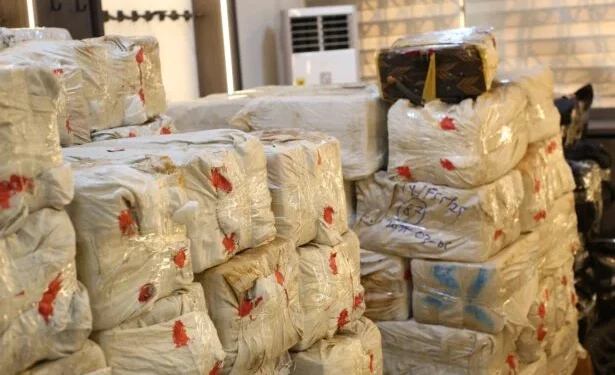
The seizure of nearly 3.9 tonnes of cocaine at France’s Port of Dunkirk has pushed Ghana’s narcotics control efforts back into the national spotlight, raising difficult questions about how such a large consignment could leave Ghana and travel across international borders.
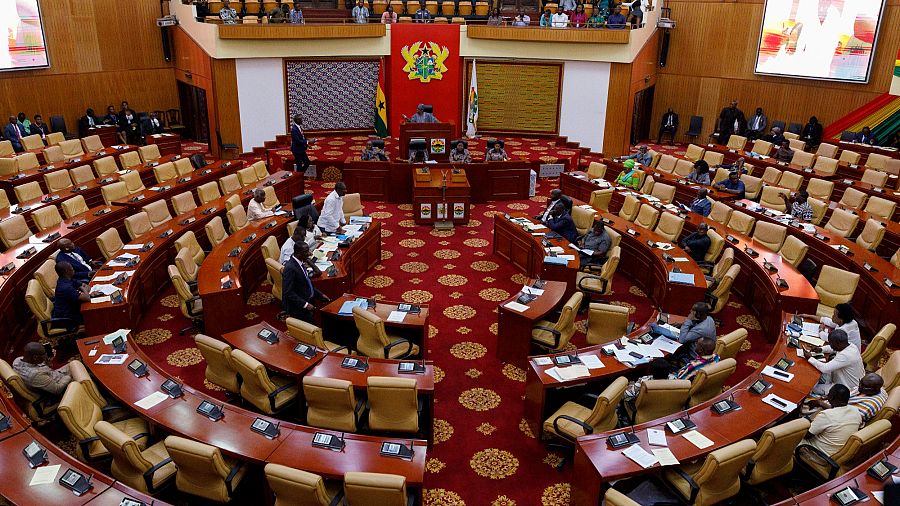
The development took on a political dimension on Tuesday, September 29, 2026, when Parliament reconvened for an emergency sitting following a petition by the Minority Caucus over a series of recent cocaine seizures involving consignments linked to Ghana.
At the centre of the parliamentary debate was a proposal by the Minority for a bipartisan inquiry into the circumstances surrounding the consignments.
But the proposed parliamentary investigation did not proceed.
Speaker of Parliament Alban Bagbin ruled against the Minority motion, explaining that a parliamentary inquiry at this stage could risk prejudicing ongoing judicial proceedings.
The ruling has left the wider questions surrounding the cocaine seizures largely in the hands of law-enforcement agencies and the courts.
A shipment that raised alarm.
The Dunkirk seizure is significant because of the sheer volume of cocaine involved.
Nearly 3.9 tonnes of the narcotic were reportedly discovered in a container at the French port. The container was said to have departed from Ghana before eventually arriving in France.
While the seizure took place outside Ghana, the reported origin of the container has placed renewed attention on Ghana’s ports, cargo-screening systems and institutions responsible for preventing the movement of illicit drugs.
The size of the consignment also raises questions about the level of organisation and resources potentially required to move such a quantity of narcotics through international supply chains.
However, the seizure itself does not automatically establish who was responsible for the shipment or whether any Ghanaian institution knowingly facilitated the movement of the drugs.
Those questions require evidence and remain matters for investigators and the courts.
Why the Minority wanted Parliament involved.
For the Minority Caucus, the reported cocaine seizures were serious enough to warrant parliamentary scrutiny.
A bipartisan inquiry could have provided a platform for lawmakers to examine the circumstances surrounding the shipments, including the procedures used to inspect containers, the role of relevant security agencies and whether existing systems are sufficiently effective.
Parliamentary inquiries can also bring public attention to institutional weaknesses and create opportunities for agencies to explain their actions and responsibilities.
But the Speaker’s decision highlights an important constitutional and legal consideration: parliamentary oversight must operate alongside, rather than interfere with, judicial processes.
The Speaker’s caution.
Speaker Alban Bagbin’s ruling was based on the potential impact of a parliamentary inquiry on ongoing court proceedings.
The concern is significant.
Where criminal investigations or prosecutions are already before the courts, public hearings and parliamentary findings could potentially touch on evidence, suspects or issues that are yet to be determined judicially.
The Speaker therefore declined to allow the proposed bipartisan inquiry to proceed under the circumstances.
This does not mean the concerns surrounding the cocaine seizures have disappeared.
Instead, the immediate responsibility for establishing what happened rests with the relevant investigative and judicial institutions.
Beyond politics: the security question.
The cocaine seizures also raise a broader issue that extends beyond the disagreement between Parliament’s Majority and Minority sides.
Ghana is an important hub for regional trade, with substantial volumes of goods moving through its ports and across its borders.
That creates a difficult security challenge.
Authorities must facilitate legitimate international commerce while preventing criminal networks from exploiting the same systems to transport illegal goods.
The Dunkirk seizure therefore raises questions about the effectiveness of Ghana’s cargo-screening and intelligence systems.
How was the container processed before leaving Ghana?.
Were there warning signs that could have triggered additional inspection?.
What intelligence-sharing mechanisms existed between Ghanaian authorities and their international counterparts?.
And, perhaps most importantly, what lessons can be drawn from the seizure to prevent similar incidents?.
These questions can be addressed without prejudging the individuals or institutions involved in the ongoing cases.
The international dimension
The seizure also demonstrates that drug trafficking is increasingly an international law-enforcement challenge.
A consignment can originate in one country, pass through several jurisdictions and eventually be intercepted thousands of kilometres away.
That means Ghana’s response cannot be considered in isolation.
Effective cooperation between customs authorities, police services, anti-narcotics agencies, ports, intelligence organisations and international partners is essential in tracing suspicious shipments and identifying the networks behind them.
The French seizure could therefore provide valuable information for Ghanaian investigators if the relevant authorities continue to cooperate and share intelligence.
What happens next?.
For now, the parliamentary route to a bipartisan inquiry has been blocked by the Speaker’s ruling.
The focus is consequently likely to shift to the ongoing investigations and judicial proceedings.
Those processes will be expected to establish the origin and ownership of the cocaine, identify those responsible for the shipment and determine whether any individuals or institutions in Ghana breached the law.
For Parliament, the issue may not necessarily end with Tuesday’s ruling. Depending on how the judicial processes develop, lawmakers could revisit broader questions about Ghana’s narcotics-control framework without interfering with specific cases before the courts.
Ultimately, the Dunkirk seizure has exposed more than a single shipment of cocaine.
It has raised questions about the vulnerabilities of international trade routes, the effectiveness of Ghana’s security systems and the delicate balance between parliamentary oversight and judicial independence.
The answers will matter not only for the current cases but also for Ghana’s reputation as a trading hub and its broader efforts to prevent the country from being exploited as a route for international narcotics trafficking.